
Magento is like a big box of ecommerce building blocks. You can build a tiny shop. You can build a global store. You can add wild features, connect tools, and handle huge traffic. That is why many brands use Magento, now often known as Adobe Commerce, to grow online.
TLDR: Magento works best for stores that want room to grow. Real brands use it to improve speed, personalize shopping, manage complex catalogs, and sell in many countries. The big lesson is simple: strong planning plus smart Magento features can turn an online store into a serious growth machine.
Why Magento Case Studies Matter
Case studies are not boring reports. Well, they can be. But they do not have to be.
Think of them as ecommerce adventure stories. A brand has a problem. Sales are stuck. The website is slow. Customers leave carts behind. Then the team uses Magento in a clever way. The store gets faster. Shoppers smile. Revenue climbs.
Nice, right?
These stories show what works in the real world. They also show that growth is not magic. It comes from better design, smarter data, and fewer headaches for customers.
Case Study 1: A Fashion Brand That Needed Speed
A growing fashion retailer had a beautiful site. But it was slow. Very slow. Product pages took too long to load. Mobile shoppers bounced away. The brand had great clothes, but the store felt tired.
The company moved to Magento with a focus on performance. The team cleaned up the catalog. They improved image loading. They added better caching. They also simplified the checkout.

The result was easy to understand. Pages loaded faster. Mobile sales improved. Cart abandonment dropped. Customers could browse dresses, shoes, and bags without waiting forever.
Growth strategy: Speed is not just a tech issue. It is a sales issue.
- Compress images.
- Use clean themes.
- Remove unused extensions.
- Make checkout short.
- Test mobile pages often.
In fashion, people shop with their eyes. If the site is slow, the moment is gone. Magento helped this brand keep the moment alive.
Case Study 2: A B2B Supplier With a Huge Catalog
Now let us talk about a different kind of store. Not fancy shoes. Not cute mugs. This was a B2B supplier with thousands of parts. Screws. Tools. Machine parts. Replacement items. The catalog was big enough to scare a spreadsheet.
Before Magento, customers had to call sales reps for many orders. Pricing was different for each buyer. Some customers needed bulk discounts. Others had special payment terms. It was messy.
Magento helped the company build a B2B ecommerce portal. Customers could log in. They saw their own prices. They could reorder fast. They could upload purchase lists. Sales reps could focus on bigger accounts instead of typing orders all day.
The funky part? The website became more than a store. It became a service tool.
Growth strategy: Make life easier for repeat buyers.
- Add customer specific pricing.
- Support quick reorders.
- Create company accounts.
- Offer quote requests.
- Connect inventory and ERP systems.
This is where Magento shines. It can handle complex rules. It can support large catalogs. It can make B2B buying feel less like paperwork and more like online shopping.
Case Study 3: A Beauty Brand That Wanted Global Growth
A beauty brand had loyal fans in one country. Then social media did its thing. Suddenly, people from other countries wanted the products too. Great problem, right? Yes. Also scary.
The brand needed different currencies. Different languages. Different taxes. Different shipping rules. Different everything.
Magento allowed the team to manage multiple storefronts from one admin panel. Each region had its own content and promotions. The brand could show local prices and local shipping options. It could also test campaigns by market.

The result was smoother international growth. The brand did not need a separate system for each country. It could scale with more control.
Growth strategy: Localize the shopping experience.
- Translate key pages.
- Show local currency.
- Offer trusted local payment methods.
- Use region based promotions.
- Explain shipping and returns clearly.
Global shoppers want to feel at home. Even if your warehouse is far away, your website should feel close.
Case Study 4: A Home Goods Store That Used Personalization
A home goods store sold furniture, lamps, rugs, and decor. The catalog was lovely. But many shoppers felt lost. There were too many choices. A customer came in for a sofa and left with a headache.
The store used Magento with personalization tools. Shoppers saw product suggestions based on browsing behavior. The site promoted matching items. If someone viewed a table, they might see chairs, lamps, and table runners. Very helpful. Also very good for average order value.
The team also used customer groups. New visitors saw welcome offers. Returning customers saw loyalty deals. VIP buyers got early access to collections.
Growth strategy: Help shoppers decide.
- Recommend related products.
- Show “complete the look” bundles.
- Create customer segments.
- Send personalized emails.
- Use clear filters for size, color, and style.
Personalization should not feel creepy. It should feel like a friendly store assistant saying, “This might look great in your living room.”
What These Magento Success Stories Have in Common
Each case is different. Fashion is not B2B. Beauty is not furniture. But the wins have patterns.
Successful Magento stores usually do these things well:
- They know the main problem. They do not fix random things. They focus.
- They care about speed. Fast stores sell more.
- They simplify checkout. Fewer steps mean fewer lost carts.
- They use data. Guessing is fun. Data is better.
- They plan for growth. The store is built for tomorrow, not just today.
This is the real lesson. Magento is powerful, but power needs direction. A race car is great. But you still need a driver, a map, and brakes.
Simple Magento Growth Strategies You Can Steal
You do not need to be a giant brand to use these ideas. Smaller stores can apply them too.
Start with your site speed. Use tools to test load times. Fix the biggest issues first. Then study your checkout. Ask a friend to buy something. Watch where they pause. That pause may be costing you money.
Next, improve product pages. Use clear photos. Write simple descriptions. Add size guides, FAQs, and reviews. Customers should not need detective skills to buy a hoodie or a blender.
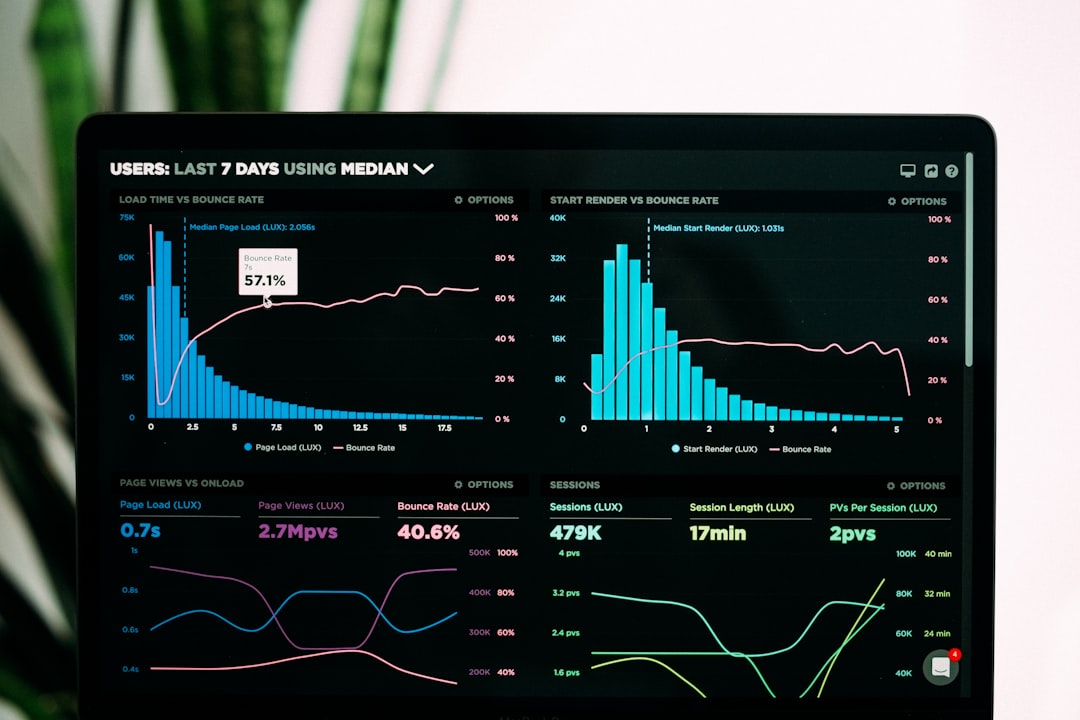
Then look at your best customers. What do they buy? How often? What do they search for? Use that data to create bundles, emails, and offers.
Also, do not install every extension you see. Extensions are useful, but too many can slow your site down. Choose tools that solve real problems.
Common Mistakes to Avoid
Magento can do a lot. That is good. It can also tempt teams to overbuild. That is less good.
Here are a few mistakes to avoid:
- Building features nobody needs. Fancy is not always useful.
- Ignoring mobile users. Many customers shop from phones.
- Using poor search. If people cannot find products, they cannot buy them.
- Skipping maintenance. Updates and security matter.
- Forgetting content. Good product copy helps people trust you.
Magento is not a “set it and forget it” platform. It is more like a garden. You plant. You water. You trim. Then it grows.
The Final Takeaway
Magento success stories are not about lucky brands. They are about smart choices. A fashion store won with speed. A B2B supplier won with easier ordering. A beauty brand won with global storefronts. A home goods store won with personalization.
The best growth strategy is to know your customer and remove friction. Make the site fast. Make products easy to find. Make checkout painless. Make each shopper feel understood.
Do that, and Magento becomes more than ecommerce software. It becomes your growth engine. And yes, that sounds fancy. But the idea is simple. Help people buy with less effort, and they will buy more often.