

Managing employees has become more complex than simply tracking attendance and approving leave. Today’s teams may be hybrid, global, project-based, or fast-growing, which means businesses need reliable tools to organize schedules, performance, communication, payroll, documents, and engagement. The best employee management applications help managers reduce admin work while giving employees a clearer, smoother experience at work.
TLDR: The best employee management applications combine HR administration, time tracking, scheduling, communication, and performance management in one easy-to-use platform. Tools like BambooHR, Gusto, Rippling, Zoho People, Connecteam, and Monday.com are strong choices depending on company size and needs. The right app should save time, improve transparency, and support both managers and employees without adding unnecessary complexity.
What Makes an Employee Management App “Best”?
A good employee management application should do more than store employee records. It should support the full employee lifecycle: hiring, onboarding, scheduling, performance reviews, payroll, time off, internal communication, and reporting. For small businesses, simplicity and affordability may matter most. For larger organizations, automation, compliance, integrations, and advanced analytics are often essential.
The best platforms usually share a few key qualities:
- Ease of use: Employees and managers should be able to navigate the system without constant training.
- Automation: Repetitive tasks such as leave approvals, onboarding checklists, reminders, and payroll syncing should happen with minimal manual effort.
- Scalability: The software should grow with the business, supporting new teams, locations, and workflows.
- Integrations: Strong apps connect with accounting, communication, productivity, and payroll tools.
- Security: Employee data is sensitive, so access controls, encryption, and compliance features are crucial.
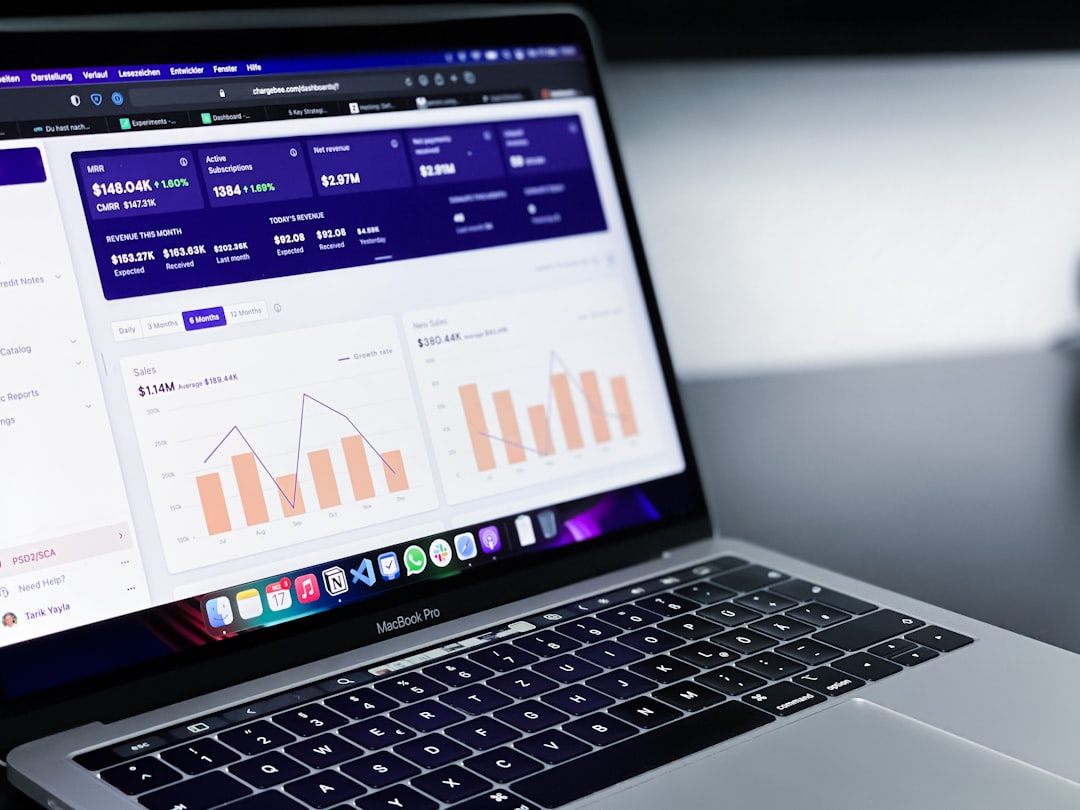
1. BambooHR: Best for Small and Mid-Sized HR Teams
BambooHR is one of the most popular employee management applications for small and mid-sized companies. It is especially strong in core HR functions such as employee records, onboarding, time-off tracking, performance management, and reporting. Its interface is clean and approachable, which makes it a practical choice for companies that want professional HR software without overwhelming complexity.
One of BambooHR’s biggest advantages is its employee self-service portal. Team members can update information, request time off, access documents, and view company details without needing to contact HR for every small change. This saves time and improves transparency.
Best for: Growing businesses that need a polished HR platform with strong onboarding and employee record management.
2. Gusto: Best for Payroll and HR Combined
Gusto is widely known for payroll, but it also offers useful employee management features. Companies can manage hiring paperwork, benefits, time tracking, tax forms, direct deposits, and compliance tasks from one platform. For small businesses, especially in the United States, Gusto is often a convenient all-in-one solution.
The platform is particularly helpful for businesses that want to simplify payroll while still handling HR basics. Employees can access pay stubs, tax documents, benefits information, and personal details through a simple dashboard. Managers benefit from automated payroll calculations, reminders, and compliance support.
Best for: Small businesses that want payroll, benefits, and basic HR tools in one place.
3. Rippling: Best for Automation and IT Integration
Rippling is a powerful employee management platform that blends HR, payroll, IT, and finance operations. What makes Rippling stand out is its automation capability. For example, when a new employee is hired, the system can automatically create payroll records, assign training, set up software accounts, order equipment, and apply the correct permissions.
This makes Rippling especially useful for companies with remote or hybrid teams. Managing employee devices, apps, passwords, permissions, and compliance from one place can seriously reduce administrative workload. It is more advanced than many basic HR platforms, so it may be best suited to companies that need deeper controls and customization.
Best for: Tech-forward companies that want to automate HR and IT workflows together.
4. Zoho People: Best Budget-Friendly HR Platform
Zoho People is a flexible and affordable employee management application that works well for businesses already using other Zoho products. It includes features such as attendance tracking, leave management, employee databases, performance reviews, shift scheduling, and workflow automation.
Its customization options are a major strength. Businesses can create forms, approval flows, rules, and reports that suit their internal processes. While the interface may feel less premium than some competitors, Zoho People offers excellent value for the price.
Best for: Cost-conscious businesses that want customizable HR tools without a high monthly bill.
5. Connecteam: Best for Deskless and Mobile Teams
Connecteam is designed for organizations with employees who do not sit at desks all day. This includes retail workers, field service teams, construction crews, hospitality staff, cleaners, delivery teams, and healthcare support staff. Its mobile-first approach makes it easy for employees to clock in, check schedules, receive updates, complete forms, and communicate from their phones.
Managers can create schedules, track attendance, assign tasks, send announcements, and monitor progress. Connecteam also supports training modules, surveys, and knowledge bases, making it useful for companies with many frontline employees who need quick access to instructions and updates.
Best for: Mobile, frontline, and shift-based teams that need simple communication and scheduling tools.
6. Monday.com: Best for Team Workflow and Project Visibility
Monday.com is not a traditional HR system, but it is excellent for managing employee workloads, tasks, team projects, and operational workflows. Businesses can build boards for recruitment pipelines, onboarding plans, performance goals, task assignments, approvals, and team calendars.
Its visual interface makes it easy to see who is responsible for what, where projects stand, and which tasks are delayed. For managers who care about productivity and collaboration, Monday.com can be a strong employee management companion, especially when paired with a payroll or HR tool.
Best for: Teams that need visual project management, workload tracking, and custom workflows.
7. Workday: Best for Large Enterprises
Workday is a comprehensive human capital management platform built for larger organizations. It covers HR, payroll, workforce planning, talent management, analytics, learning, compensation, and more. Workday is highly capable, but it is also more complex and expensive than many small-business tools.
For enterprises, the value lies in its depth. Leaders can analyze workforce trends, plan hiring needs, manage global teams, and connect employee data with finance and business strategy. It is not usually the first choice for very small companies, but it is one of the strongest platforms for complex organizations.
Best for: Large companies that need enterprise-level HR, analytics, and workforce planning.
How to Choose the Right Employee Management Application
The “best” app depends on your company’s specific needs. Before choosing a platform, identify the problems you are trying to solve. Are you losing time on payroll? Struggling with scheduling? Missing performance review deadlines? Finding onboarding inconsistent? The clearer your priorities are, the easier it becomes to choose wisely.
Use the following checklist when comparing tools:
- Define must-have features: Separate essential tools from nice-to-have extras.
- Consider your team type: Office teams, remote teams, and field teams often need different features.
- Check integrations: Make sure the app works with your existing payroll, accounting, email, and communication tools.
- Review pricing carefully: Look for setup costs, per-user fees, add-ons, and contract requirements.
- Test the user experience: A free trial or demo can reveal whether employees will actually use the system.

Final Thoughts
Employee management applications are no longer just digital filing cabinets. They are central hubs for communication, productivity, compliance, scheduling, and employee experience. The right platform can reduce administrative pressure, help managers make better decisions, and give employees a more organized work life.
For a small company focused on HR basics, BambooHR or Gusto may be ideal. For automation and tech management, Rippling is a standout. For budget flexibility, Zoho People is worth exploring. For deskless teams, Connecteam is highly practical, while Monday.com works well for workflow visibility. Larger enterprises may find the depth they need in Workday.
Ultimately, the best employee management application is the one that fits your people, processes, and growth plans. Choose a tool that removes friction, improves communication, and helps your team spend less time on admin and more time doing meaningful work.