
Building a brand used to require separate teams for naming, logo design, websites, copywriting, and social content. Today, AI tools help businesses move from a rough idea to a polished identity much faster. The strongest platforms do not replace strategy, but they make it easier to test names, visualize a brand, launch a website, and keep design consistent across channels.
TLDR: The best AI branding tools help businesses create names, websites, logos, visuals, and marketing assets with less time and cost. Namelix, Looka, Wix, Durable, Canva, and similar platforms are especially useful for early-stage brands. The right choice depends on whether a business needs naming help, a fast website, a visual identity, or ongoing content creation.
10 Best AI Tools for Building a Brand
A memorable brand needs more than a good logo. It needs a clear name, visual consistency, professional messaging, and a digital presence that customers trust. The following AI tools support different parts of that process, from the first naming brainstorm to complete website and design systems.
1. Namelix
Namelix is one of the most useful AI business name generators for startups, creators, and small companies. It creates short, brandable name ideas based on keywords, preferred style, and business category. Rather than producing only literal names, it often suggests modern, abstract, or invented names that can work well for tech, lifestyle, and ecommerce brands.
Its main strength is speed. A business can compare dozens of naming directions in minutes and use the results as inspiration, even if the final name is adjusted. Namelix is especially helpful during the early discovery phase, when decision-makers need to understand what type of name feels right.
2. Looka
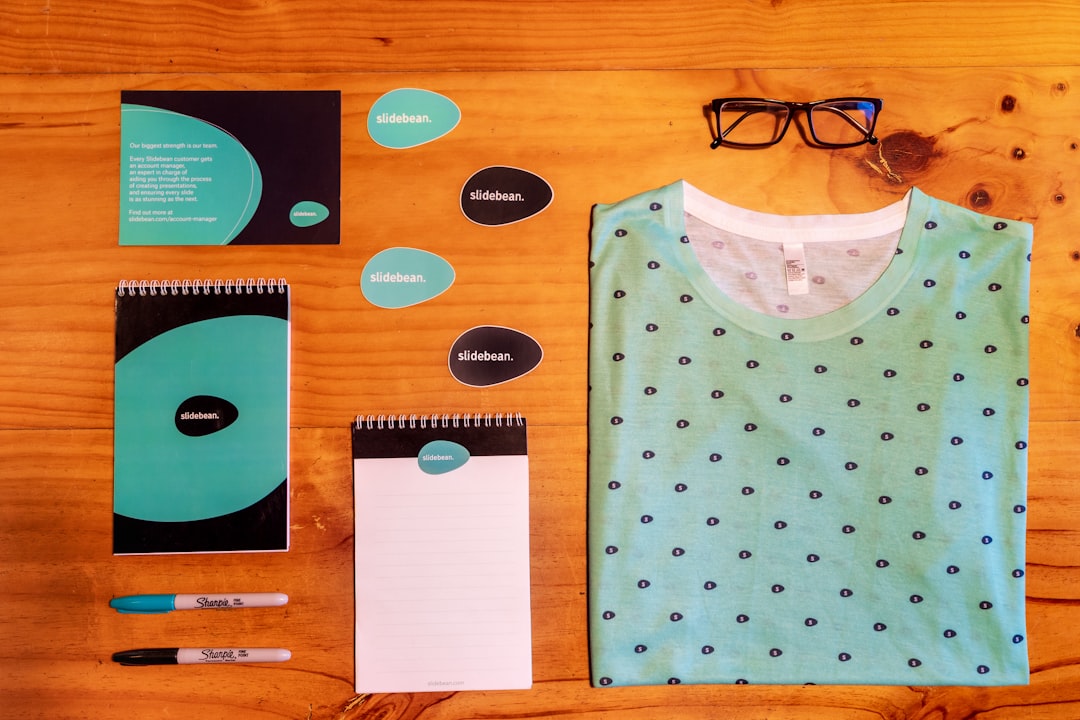
Looka combines AI logo creation with broader brand identity tools. After a user chooses preferred styles, colors, and symbols, the platform generates logo concepts and applies them to business cards, social media kits, and other branded assets. This makes it valuable for businesses that need a visual identity quickly.
Looka is best suited for entrepreneurs who want a polished starting point without hiring a design studio immediately. While a professional designer may still refine the final identity, the platform helps define visual direction and brand personality.
3. Wix AI Website Builder
Wix AI Website Builder helps businesses generate websites by answering questions about their industry, goals, and preferred features. It can create layouts, pages, text sections, and design suggestions, making it practical for service businesses, consultants, restaurants, portfolios, and local brands.
The biggest advantage is its balance of automation and customization. A company can launch a professional-looking website quickly, then edit the structure, imagery, copy, and integrations. For a brand that needs to appear credible online without a long development timeline, Wix is a strong option.
4. Durable
Durable is designed for extremely fast website generation. It can create a basic business website in seconds, including page copy, layout, service descriptions, and calls to action. This makes it useful for freelancers, home service businesses, agencies, and solo professionals who need a web presence immediately.
Durable also includes AI tools for marketing copy and customer relationship management. Its templates may not suit every premium brand, but for speed and simplicity, it is one of the most efficient AI website builders available.
5. Shopify Magic
Shopify Magic supports ecommerce brands by generating product descriptions, marketing copy, email content, and customer-facing text inside the Shopify ecosystem. For online stores, consistent copy is a major part of brand perception, especially when selling many products.
This tool is especially useful for merchants who need to turn product details into persuasive descriptions. It can help maintain a consistent tone across product pages, collections, and campaigns. For ecommerce businesses, Shopify Magic strengthens the connection between brand voice and sales performance.
6. Framer AI
Framer AI helps generate modern websites from simple prompts. It is popular among startups, SaaS companies, product teams, and creators who want visually sharp web pages. The platform can produce layouts, sections, and responsive designs that feel more contemporary than many traditional templates.
Framer is particularly useful when a brand needs a landing page, product site, or campaign page with a sleek digital feel. It gives teams the ability to move quickly from concept to published page while still allowing detailed design control.
7. Canva
Canva is one of the most accessible AI design platforms for brand building. Its AI features support image generation, text creation, layout suggestions, background removal, and presentation design. Businesses can create social posts, pitch decks, posters, videos, ads, and branded templates in one place.
Canva works well for teams that need consistent visual content without relying on a designer for every small asset. Its brand kit features help store logos, fonts, and colors, making it easier to maintain a recognizable identity across marketing channels.
8. Adobe Express
Adobe Express is a strong choice for businesses that want AI-assisted design with the creative reliability of Adobe’s ecosystem. It includes tools for social graphics, short videos, flyers, banners, image editing, and generative AI visuals.
Adobe Express is useful for brands that care about visual quality but still need simplicity. It allows teams to create polished content quickly while benefiting from Adobe’s design-focused environment. For companies already using Adobe products, it can fit naturally into the creative workflow.
9. Figma AI
Figma AI supports designers and product teams with AI-assisted interface design, content generation, visual organization, and workflow improvements. For companies building digital products, brand identity is not limited to logos and colors; it also appears in app screens, dashboards, onboarding flows, and user experiences.
Figma AI is best for brands that need design systems and collaborative product design. It helps teams move faster while keeping interfaces consistent. A startup building software, for example, can use it to maintain alignment between marketing visuals and product experience.
10. Tailor Brands
Tailor Brands offers AI-powered logo creation, branding assets, website tools, and business setup features. It is designed for small businesses that need an all-in-one branding starting point. Users can generate logos, apply them to branded materials, and create basic online assets.
The platform is useful for those who want guided branding without managing many separate tools. It may not replace custom brand strategy, but it helps new businesses look legitimate quickly and affordably.
How to Choose the Right AI Branding Tool
The best tool depends on the stage of the business. A company still exploring its identity should begin with Namelix for naming and Looka or Tailor Brands for visual direction. A business ready to launch online may prefer Wix, Durable, or Framer. Ecommerce brands often gain the most from Shopify Magic, while content-heavy teams benefit from Canva or Adobe Express.
Businesses should also consider brand consistency. AI can generate many attractive options, but too many styles can weaken recognition. The strongest brands choose a clear visual system, define a tone of voice, and use AI to scale that system rather than constantly reinvent it.
Final Thoughts
AI tools make brand building faster, more affordable, and more accessible. They help businesses test ideas, create professional assets, write stronger copy, and launch online with confidence. However, the best results come when AI is paired with human judgment. A successful brand still needs a clear audience, a meaningful promise, and a consistent identity that customers remember.
FAQ
-
What is the best AI tool for creating a business name?
Namelix is one of the best options for generating short, brandable business name ideas based on keywords and style preferences. -
Which AI tool is best for building a website quickly?
Durable is excellent for speed, while Wix AI Website Builder offers more customization for businesses that want control over layout and features. -
Can AI create a complete brand identity?
AI can create names, logos, color palettes, websites, and marketing assets, but a strong brand still needs human strategy and consistent decision-making. -
Which AI design platform is best for social media content?
Canva is a strong choice because it offers templates, AI design tools, brand kits, and easy content resizing for multiple platforms. -
Are AI branding tools suitable for established companies?
Yes, but established companies should use them carefully. AI is most useful for speeding up content production, testing campaign ideas, and maintaining design consistency.