
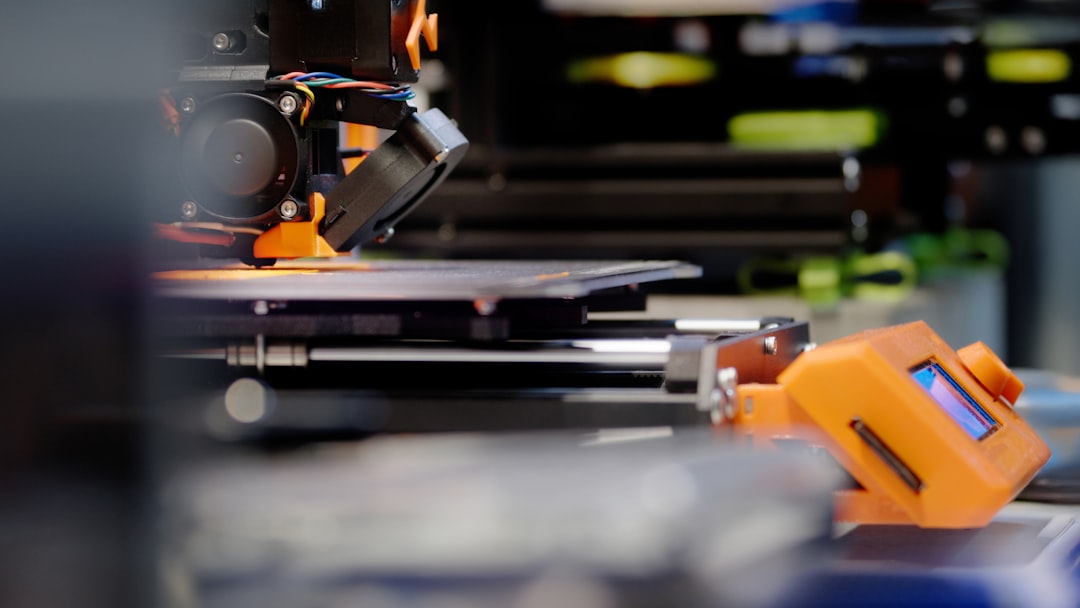
So, you bought a 3D printer. Nice move. Now it sits on your desk, humming like a tiny robot chef. But instead of printing random dragons forever, you can turn it into a money-making machine. The trick is simple. Print useful things. Print fun things. Print things people do not want to wait three weeks to get.
TLDR: A 3D printer can make money by selling custom, useful, and fun products. Good ideas include home items, gaming accessories, cosplay props, replacement parts, and personalized gifts. Start small, test what sells, and improve your designs. The best products solve a problem or make someone smile.
Start With One Simple Rule
Do not try to sell everything.
That sounds boring. But it works. Pick a small niche first. A niche is just a group of people who want the same kind of thing. Dog owners. Board game fans. Gardeners. Teachers. Car lovers. Gamers. Cosplayers.
When you focus on one group, selling gets easier. You know what they like. You know what problems they have. You can make products just for them.
Example: Do not just sell “3D printed stuff.” Sell “cute desk organizers for teachers” or “miniature terrain for fantasy games.” That sounds much better.
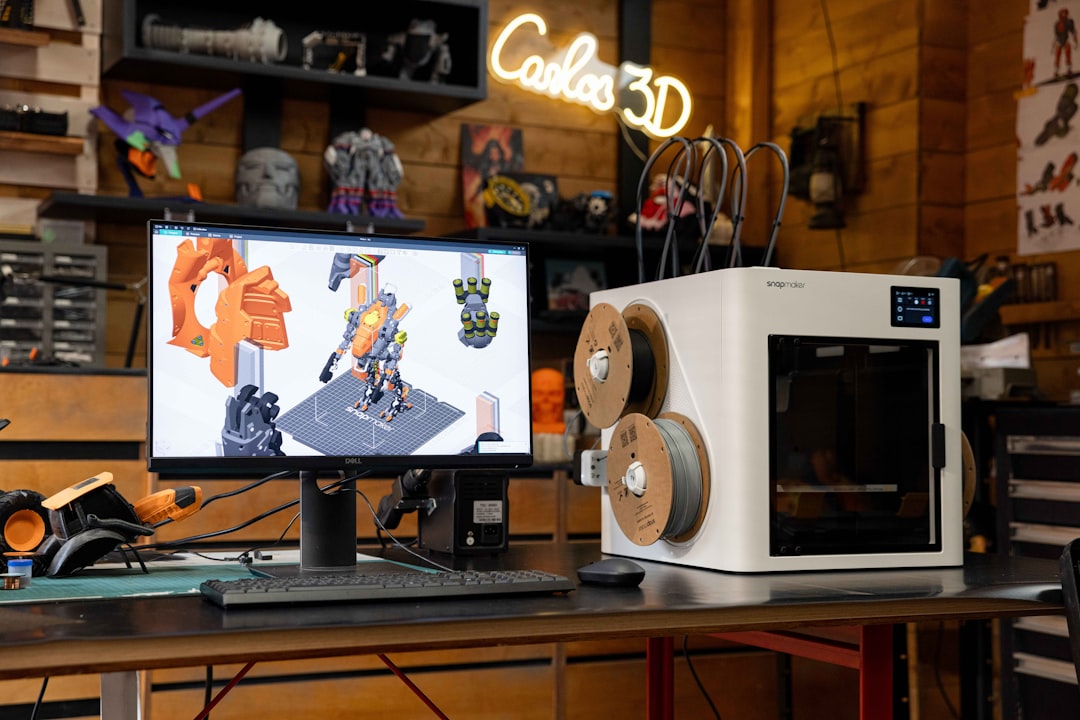
1. Personalized Gifts
People love things with their name on them. It feels special. It feels made just for them. And with a 3D printer, it actually can be.
You can sell:
- Name signs for bedrooms, nurseries, or offices.
- Custom keychains with names, pets, or hobbies.
- Wedding cake toppers with initials or dates.
- Pet tags in fun shapes.
- Personalized ornaments for holidays.
This is a great place to start because customization adds value. A plain keychain may sell for a few dollars. A custom keychain with a name can sell for more. Same plastic. Better idea.
Just make sure you show clear photos. Use bright colors. People buy with their eyes first.
2. Home Organization Products
Everyone has clutter. Cables. Pens. Makeup. Batteries. Tiny tools. Mystery screws from furniture that may or may not be important.
That is good news for you.
3D printers are great for making small organizers. These items are useful, easy to ship, and not too hard to design.
Popular products include:
- Drawer dividers.
- Cable clips.
- Toothbrush holders.
- Wall hooks.
- Remote control holders.
- Desk trays.
- Spice jar labels or racks.
Keep the designs clean. Make them strong. Test them at home first. If your cable clip snaps in two days, customers will not be thrilled. Your printer may survive. Your reviews may not.
3. Gaming Accessories
Gamers love custom gear. Tabletop gamers especially love tiny things. Very tiny things. Tiny barrels. Tiny castles. Tiny monsters with huge attitudes.
If you like games, this niche can be fun and profitable.
You can print and sell:
- Dice towers.
- Dice trays.
- Miniature terrain.
- Card holders.
- Token boxes.
- Controller stands.
- Headphone hooks.
Some items may need detail. A resin printer can help with miniatures. A filament printer is great for larger items like towers, boxes, and stands.
Be careful with copyrighted characters. Do not sell a famous game monster unless you have the rights. Make your own designs. A “spooky swamp beast” is safer than a very recognizable monster from a famous brand.
4. Replacement Parts
This is not the flashiest idea. But it can be very profitable.
People break small parts all the time. A knob cracks. A clip disappears. A battery cover vanishes into another dimension. Then they find out the company does not sell that part anymore.
That is where you come in.
You can make:
- Appliance knobs.
- Remote battery covers.
- Vacuum clips.
- Car interior caps.
- Kitchen tool parts.
- Furniture feet.
- Toy repair pieces.
This kind of product solves a real problem. People will pay because they need it. They are not just browsing. They are searching with purpose.
You may need to measure carefully. Calipers are your friend. So is patience. Print. Test. Adjust. Repeat.
5. Cosplay Props and Costume Pieces
Cosplay fans need helmets, armor, badges, gadgets, and magical-looking objects. Many of these can be 3D printed.
This niche can bring higher prices. But it also takes more work. Large props need sanding, priming, painting, and sometimes assembly. Still, if you enjoy making cool stuff, this can be a dream business.
Start with smaller pieces:
- Costume badges.
- Armor details.
- Fantasy coins.
- Prop handles.
- Mask parts.
- Helmet accessories.
Again, watch out for copyright. Original fantasy, sci-fi, or medieval designs can work well. You can also offer custom commissions. That means someone asks for a specific piece, and you make it for them.
6. Plant and Garden Products
Plants are popular. Plant people are passionate. Some of them name their plants. Some may love their plants more than their relatives. No judgment.
You can sell:
- Small planters.
- Plant labels.
- Self-watering spikes.
- Propagation stations.
- Wall-mounted plant holders.
- Mini trellises.
Use safe materials when needed. If the item holds water, test for leaks. If it sits outside, choose materials that handle heat and sun better. PLA can warp in hot weather. PETG may be a better choice for outdoor items.
7. Digital Files Instead of Physical Products
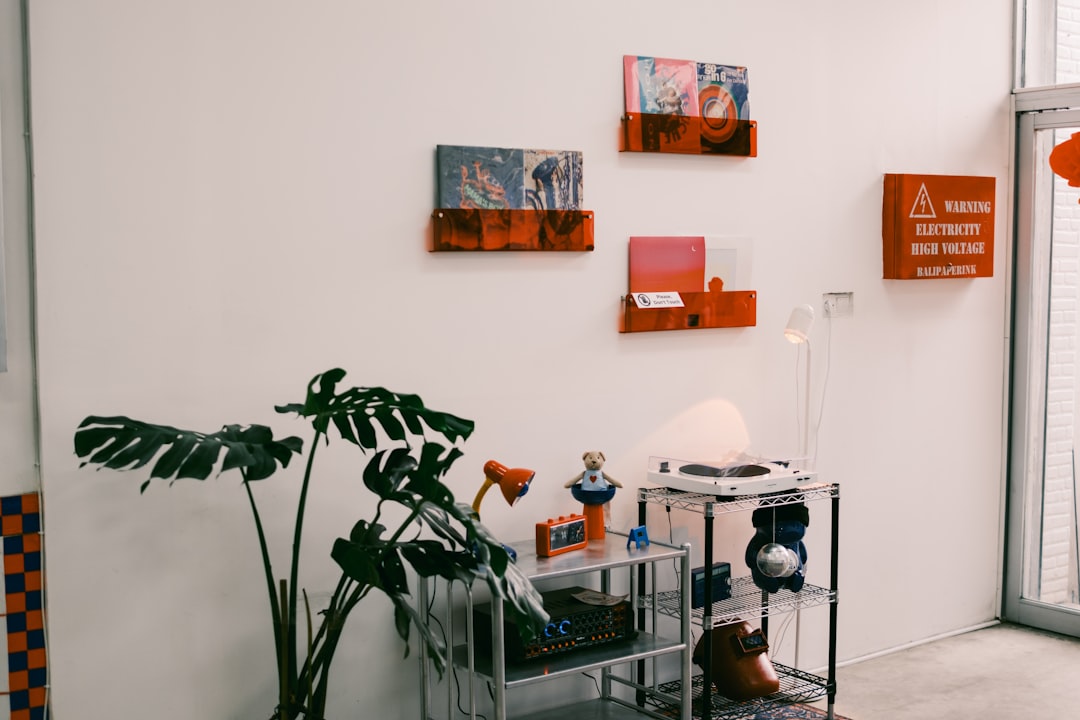
You do not always have to print the item yourself. You can sell the 3D model file. Then other people print it.
This is great because you create the design once. Then you can sell it many times. No shipping. No packaging. No filament cost for every sale.
But there is a catch. Your design must be good. It should print well. Include clear settings and photos. Add license rules too. Tell buyers if they can use the file for personal use only or for commercial printing.
Where to Sell Your 3D Printed Products
You have many options. Start where your customers already shop.
- Etsy: Great for gifts, decor, and custom items.
- eBay: Good for parts and niche products.
- Local markets: Great for impulse buys and colorful items.
- Facebook groups: Useful for local custom orders.
- Your own website: Best when you already have steady demand.
Also try local businesses. A cafe may need custom table number holders. A gym may need hooks. A school may need teaching tools. Small businesses often like custom solutions.
How to Price Your Prints
Do not guess. Guessing is how you sell a 10-hour print for the price of a sandwich.
Add these costs:
- Filament or resin.
- Electricity.
- Failed prints.
- Packaging.
- Platform fees.
- Your time.
A simple formula is:
Material cost + machine time + labor + fees + profit = price.
Your time matters. Even if the printer does the printing, you still design, slice, clean, pack, and ship. You are not a free robot assistant. Sadly.
Tips to Sell More
- Take good photos. Clean background. Bright light. No messy desk.
- Offer color choices. People love picking colors.
- Make bundles. Sell three cable clips instead of one.
- Ask for reviews. Reviews build trust.
- Keep improving. Better design means fewer returns.
- Ship safely. Nobody wants a puzzle they did not order.
Final Thoughts
Making money with a 3D printer is very possible. But it is not magic. You need good ideas, good prints, and happy customers. Start with simple products. Test them. Listen to buyers. Then make better versions.
The best part is that you can begin small. One printer. One niche. One clever product. Maybe it is a dice tower. Maybe it is a plant holder. Maybe it is the world’s most perfect cable clip.
Print something useful. Print something fun. Then sell it to the people who need it. Your little robot chef is ready to cook.