

The mobile industry is often described in terms of big network operators, smartphone brands, and app ecosystems, but there is another layer that quietly keeps the market moving: the GSM reseller business model. GSM resellers buy, package, activate, distribute, or support mobile services and devices without necessarily owning the physical network infrastructure. For entrepreneurs, this model can offer a practical way to enter the telecommunications market with lower startup complexity than building a carrier from scratch.
TLDR: A GSM reseller sells mobile-related products or services, such as SIM cards, data plans, airtime, phones, or activation services, using access provided by larger telecom operators or wholesalers. The reseller earns profit by buying at wholesale rates and selling at retail prices, often adding customer support, branding, or niche market focus. Success depends on reliable suppliers, competitive pricing, strong customer service, and clear positioning in the market.
What Is a GSM Reseller?
A GSM reseller is a business that resells products or services connected to GSM-based mobile networks. GSM, short for Global System for Mobile Communications, is one of the most widely used mobile network standards in the world. Although newer technologies like 4G LTE and 5G are now common, GSM remains a useful term in the reseller market because it broadly refers to SIM-based mobile connectivity and related services.
In simple terms, a GSM reseller acts as a middle layer between a telecom provider or wholesale distributor and the end customer. The reseller may sell prepaid SIM cards, mobile data packages, international calling plans, unlocked phones, recharge vouchers, roaming services, or bulk connectivity for businesses.
This model is attractive because the reseller does not usually need to build cell towers, maintain network infrastructure, or obtain the same level of licensing as a full mobile network operator. Instead, the reseller focuses on distribution, branding, customer relationships, and sales strategy.

How the GSM Reseller Business Model Works
The basic structure of the model is straightforward: a reseller purchases mobile services or products at a wholesale price and sells them at a markup. However, the details can vary depending on the type of reseller business.
- SIM card reselling: The reseller buys SIM cards in bulk and sells them to customers, often with activation support.
- Airtime and recharge reselling: The business sells prepaid top-ups, mobile credits, or data bundles.
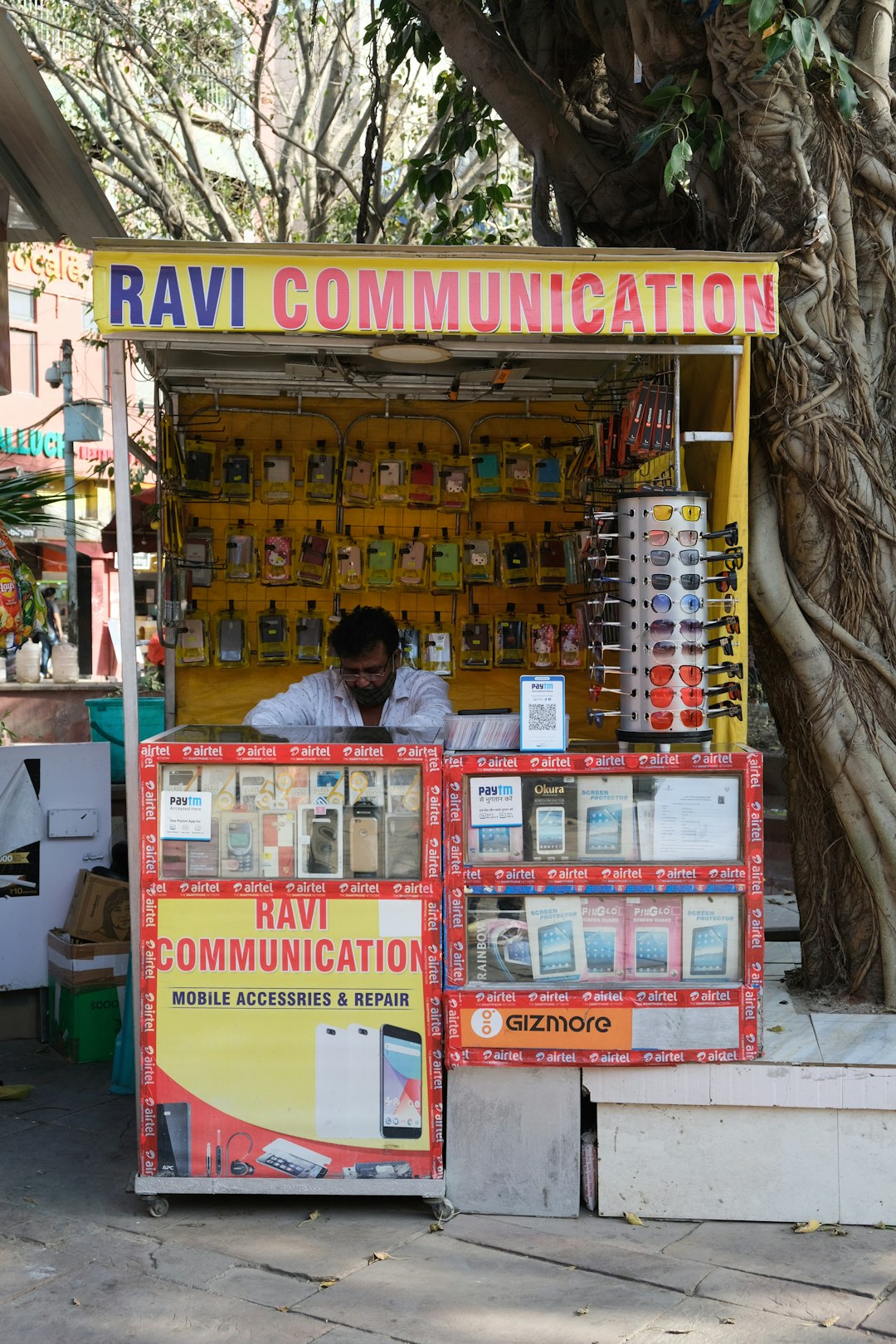
- Device and accessory reselling: The reseller sells unlocked GSM phones, routers, hotspots, or mobile accessories.
- International roaming solutions: The reseller targets travelers, students, remote workers, or businesses needing affordable overseas connectivity.
- Business connectivity packages: The reseller provides SIMs or data plans for tablets, IoT devices, delivery fleets, or field teams.
Some resellers operate under their own brand, while others openly represent a carrier or distributor. In more advanced cases, a reseller may function similarly to a small virtual operator, offering branded plans, customer management portals, and recurring billing.
GSM Reseller vs. MVNO: What Is the Difference?
A common point of confusion is the difference between a GSM reseller and an MVNO, or Mobile Virtual Network Operator. Both sell mobile services without owning the radio network, but they are not always the same.
An MVNO usually has a deeper commercial and technical relationship with a network operator. It may control pricing, SIM provisioning, billing systems, customer data, branding, and sometimes parts of the network core. A GSM reseller, on the other hand, may simply purchase ready-made plans or SIM products from a wholesaler and sell them onward.
Think of it this way: an MVNO is like a company that creates its own mobile service brand using another carrier’s infrastructure, while a reseller is more like a distributor or retailer of mobile connectivity. That said, the line can blur. Some successful resellers eventually grow into MVNO-style operations.
Where GSM Resellers Make Money
The income model is usually based on margins, commissions, or recurring revenue. A reseller may earn money through one or more of the following:
- Retail markup: Buying SIM cards, phones, or data packages at wholesale rates and selling them at a higher price.
- Activation fees: Charging customers for setup, number registration, SIM activation, or account configuration.
- Monthly commissions: Receiving a percentage from ongoing plan renewals or customer payments.
- Value added services: Offering technical support, device setup, mobile security, international calling, or business account management.
- Bulk sales: Selling large quantities of SIMs or mobile plans to organizations, resellers, retailers, or travel companies.
The most stable GSM reseller businesses often focus on recurring revenue. Selling one SIM card creates a one-time margin, but managing hundreds of active monthly accounts can create ongoing cash flow.

Who Are the Best Customers?
While anyone with a mobile phone could be a potential customer, strong resellers usually focus on specific market segments. Trying to compete with major carriers for everyone can be difficult. Serving a specific niche is often smarter.
Popular customer groups include:
- Tourists and international travelers who need short-term SIMs or roaming alternatives.
- Immigrant communities looking for affordable international calling and data plans.
- Students who want flexible prepaid mobile options.
- Small businesses that need multiple lines for employees.
- IoT and logistics companies using SIM cards in trackers, terminals, meters, and connected devices.
- Online shoppers looking for unlocked GSM phones and compatible plans.
For example, a reseller near an airport might focus on travel SIMs, while an online reseller could specialize in global data plans for digital nomads. A local shop in a multicultural neighborhood might promote affordable international call bundles. The product is similar, but the positioning is different.
Key Advantages of the GSM Reseller Model
The biggest advantage is that the model has a relatively accessible entry point. A new business does not need to own spectrum licenses, build towers, or employ a large engineering team. With the right wholesale provider, a reseller can start by focusing on sales and customer acquisition.
Other benefits include:
- Lower infrastructure costs: Network operations are handled by the carrier or wholesale provider.
- Flexible product range: Resellers can offer SIMs, plans, devices, accessories, and support services.
- Niche targeting: Smaller businesses can serve communities that large carriers overlook.
- Scalability: A reseller can begin with small inventory and expand as demand grows.
- Recurring income potential: Monthly renewals and repeat top-ups can build predictable revenue.
Challenges and Risks to Consider
Despite its appeal, the GSM reseller business is not effortless. Margins can be thin, especially in competitive markets. Customers are often price sensitive, and large carriers can run promotions that smaller resellers struggle to match.
Another challenge is dependence on suppliers. If the wholesale provider changes pricing, experiences outages, delays activations, or discontinues a product, the reseller’s customers may blame the reseller. This makes supplier selection extremely important.
There may also be regulatory requirements related to SIM registration, identity verification, taxes, consumer protection, privacy, and telecommunications rules. These vary by country and region, so a reseller should understand local laws before launching.
Customer support is another major factor. Mobile connectivity is personal and urgent. When a SIM does not activate or data stops working abroad, customers expect fast help. A reseller that provides clear instructions and responsive support can stand out even when competing against cheaper alternatives.
How to Start a GSM Reseller Business
Starting well requires more than buying SIM cards in bulk. A practical launch plan should include the following steps:
- Choose a niche: Decide whether to target travelers, businesses, local prepaid users, IoT customers, or another segment.
- Find reliable suppliers: Compare wholesalers, carriers, distributors, and platform providers based on coverage, pricing, support, and contract terms.
- Understand compliance: Check registration rules, required documentation, tax obligations, and consumer protection laws.
- Plan your pricing: Calculate margins carefully, including transaction fees, support time, shipping, returns, and marketing costs.
- Create a sales channel: Sell through a physical store, website, marketplace, social media, B2B outreach, or partner retailers.
- Build support processes: Prepare activation guides, FAQs, troubleshooting steps, and refund policies.
- Track performance: Monitor churn, top selling plans, customer complaints, renewal rates, and profit per customer.
What Makes a GSM Reseller Successful?
The strongest resellers do not compete only on price. They compete on convenience, trust, specialization, and service. A traveler may pay extra for a SIM that works immediately after landing. A business may choose a reseller that can manage twenty employee lines from one account. A customer with limited technical knowledge may prefer a local seller who explains everything clearly.
Branding also matters. Even if the reseller uses another company’s network, customers interact with the reseller’s website, packaging, instructions, invoices, and support team. A professional experience can make a small reseller feel dependable.
Final Thoughts
The GSM reseller business model is a practical entry point into the mobile communications market. It allows entrepreneurs to sell connectivity, devices, and related services without becoming full network operators. While the model can be profitable, it rewards businesses that choose the right niche, maintain reliable supplier relationships, follow regulations, and provide excellent customer support.
In a world where people expect to be connected everywhere, demand for flexible mobile solutions is not disappearing. For the right operator, a GSM reseller business can become more than a simple SIM card shop; it can become a trusted bridge between network providers and customers who need mobile service that is affordable, accessible, and easy to use.