
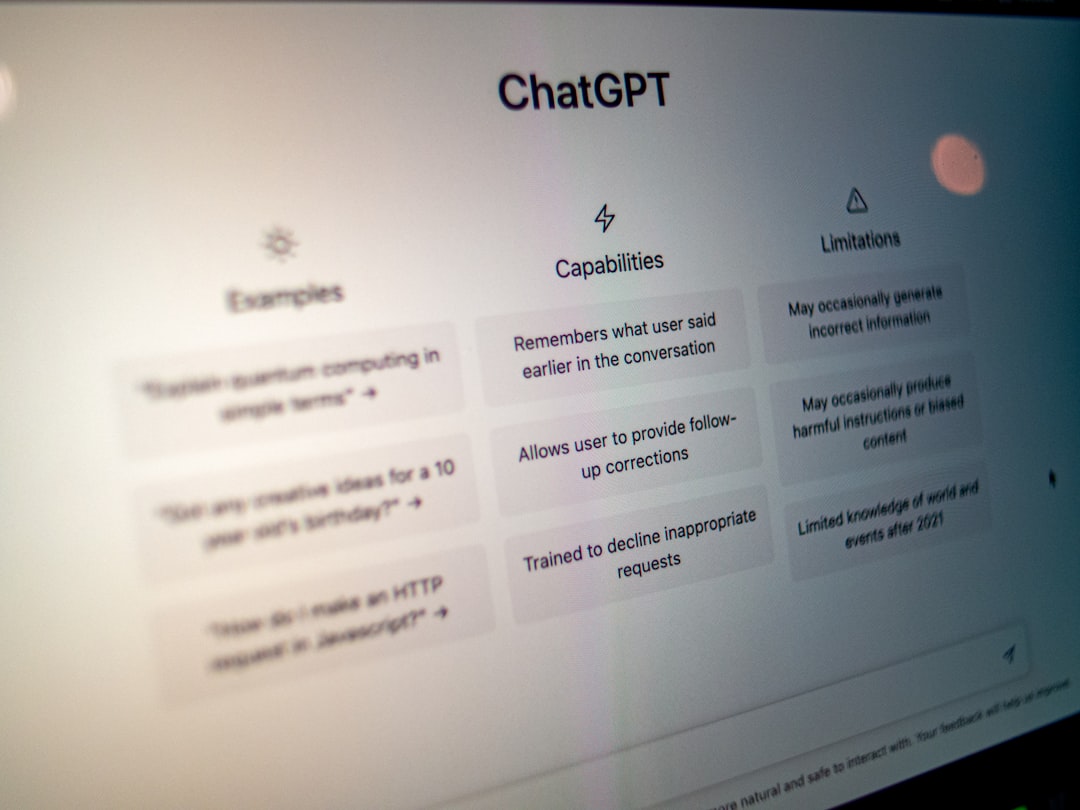
In 2026, AI chatbots are expected to play a bigger role in how individuals, families, advisors, and small businesses understand money. Instead of only tracking balances or showing static charts, modern finance chatbots can explain spending patterns, summarize market news, compare investment ideas, and help users ask better questions about financial decisions. While these tools should not replace licensed financial, tax, or legal professionals, they can make budgeting and investment research faster, clearer, and more interactive.
TLDR: The best AI chatbots for finance in 2026 are likely to combine personalized budgeting, real time financial explanations, and investment research support. General purpose assistants such as ChatGPT, Claude, Gemini, and Microsoft Copilot are useful for financial education and planning conversations, while specialized tools such as Cleo, Monarch Money, YNAB, FinChat, Magnifi, and Bloomberg style assistants serve more focused needs. Users should prioritize security, data permissions, transparency, and whether the chatbot provides explanations rather than unsupported predictions.

Why Finance Chatbots Matter in 2026
Finance has always depended on information, timing, and interpretation. The challenge for most people is not a lack of data, but a lack of clarity. Bank statements, brokerage reports, credit card transactions, inflation updates, earnings calls, and economic headlines can be overwhelming. AI chatbots help by turning complex financial information into plain language summaries and guided next steps.
In 2026, the strongest finance chatbots are expected to function less like simple question and answer tools and more like financial copilots. They can categorize expenses, detect changes in cash flow, explain why a portfolio moved, and help compare financial choices. A user might ask why grocery spending rose, how a rate cut could affect bond prices, or what risks appear in a particular stock. The chatbot can respond conversationally, making financial management more accessible.
Key Features to Look For
Before choosing a finance chatbot, users should evaluate the tool based on practical, safety focused criteria. The most impressive chatbot is not always the best choice if it lacks privacy controls or gives vague advice.
- Security and privacy: The chatbot should clearly explain how financial data is stored, used, and protected.
- Bank and brokerage integrations: Budgeting tools become more useful when they can securely connect to accounts.
- Transparent explanations: A strong chatbot should explain assumptions and limitations, not just provide confident answers.
- Personalization: The best tools adapt to income, goals, spending habits, risk tolerance, and time horizon.
- Research quality: Investment chatbots should cite sources, provide context, and distinguish facts from opinions.
- Compliance awareness: For investment guidance, tools should avoid pretending to be a licensed advisor unless they are part of a regulated advisory service.
1. ChatGPT for Financial Education and Planning Conversations
ChatGPT remains one of the most flexible AI assistants for finance related learning. It can explain budgeting methods, compare debt repayment strategies, summarize financial concepts, and help users create planning templates. It is especially helpful for people who want to understand terms like compound interest, expense ratios, asset allocation, tax loss harvesting, or emergency funds.
Its main strength is versatility. A user can ask it to create a monthly budget framework, rewrite financial goals into measurable steps, or explain the difference between a Roth account and a traditional retirement account. It can also help investors prepare questions for a financial advisor. However, it should not be treated as a guaranteed source of personalized investment advice, especially when live account data or regulated recommendations are involved.
2. Claude for Careful Financial Reasoning
Claude is often valued for its thoughtful explanations and ability to handle long documents. In finance, that can be useful for reviewing lengthy reports, summarizing policy documents, or comparing financial scenarios. It may help users understand mortgage terms, insurance language, portfolio commentaries, or company filings when those documents are provided.
For budgeting, Claude can assist with scenario planning. For example, it can compare the effect of different savings rates, model a household budget after a salary change, or explain tradeoffs in reducing discretionary spending. Its strength is not necessarily account automation, but clear reasoning and structured analysis.
3. Google Gemini for Search Connected Financial Questions
Google Gemini can be useful for users who want conversational answers supported by broader web and productivity ecosystem connections. In a financial setting, it may help summarize market related questions, organize budget notes, or assist with spreadsheet based planning. The tool is particularly relevant for people who already use Google Workspace for tracking expenses, planning household finances, or managing small business records.
Its usefulness depends heavily on the quality of prompts and connected services. It can help draft spending categories, create savings goal outlines, and explain general market themes. As with all general AI tools, users should verify numbers, dates, and investment details before making decisions.

4. Microsoft Copilot for Business Finance and Productivity
Microsoft Copilot is a strong option for professionals, analysts, and small business owners working inside Microsoft 365. It can help summarize spreadsheets, draft financial reports, organize meeting notes, and convert raw business data into readable summaries. For finance teams, it may support budgeting workflows, variance explanations, cash flow summaries, and board presentation drafts.
Its power comes from integration. When used responsibly inside a secure business environment, Copilot can reduce repetitive work and help teams interpret financial documents faster. It is best suited to productivity and analysis rather than acting as a standalone personal finance coach.
5. Cleo for Everyday Budgeting and Spending Behavior
Cleo is one of the more recognizable AI driven personal finance chatbots focused on budgeting, spending insights, and money habits. Its conversational style is designed to make financial tracking feel less intimidating. Rather than showing only charts, it can comment on spending behavior, remind users about goals, and encourage better cash flow decisions.
Cleo may appeal to younger users or anyone who wants a more informal budgeting assistant. It is best for day to day awareness: identifying subscriptions, tracking spending categories, and helping users stay conscious of their financial habits. Its tone may not fit everyone, but its simplicity is part of its appeal.
6. YNAB for Goal Based Budgeting Support
YNAB, short for You Need A Budget, is not merely a chatbot; it is a budgeting philosophy supported by software. As AI features become more common across financial platforms, YNAB style tools are important because they focus on behavior and intentional planning. The core idea is that every dollar should have a job.
For 2026, users evaluating budgeting chatbots should consider whether the tool helps change behavior, not just describe it. YNAB is strong for people who want structure, accountability, and a proactive approach to spending. AI assisted categorization, explanations, and coaching can make that system easier to maintain.
7. Monarch Money for Household Financial Visibility
Monarch Money is often used by households that want a complete view of accounts, budgets, goals, and net worth. Its value lies in bringing multiple financial accounts into one dashboard. AI assisted insights can help users notice spending changes, track progress, and understand how daily choices affect larger goals.
For couples and families, shared visibility is especially useful. A finance chatbot connected to a broader household dashboard can help answer practical questions such as whether savings are on track, which categories are rising, or how upcoming expenses may affect cash flow.
8. FinChat for Stock Research Conversations
FinChat is designed for investment research and is especially relevant for users who want to ask questions about public companies, financial statements, valuation metrics, and business performance. Instead of manually searching through multiple reports, an investor can ask conversational questions about revenue growth, margins, competitors, or historical trends.
Tools like FinChat are most useful when they provide data sources and context. A strong investment chatbot should help users investigate a thesis, not simply declare whether a stock is a buy or sell. In 2026, this distinction will matter more as investors look for AI tools that support independent thinking rather than replace it.
9. Magnifi for Conversational Investing Discovery
Magnifi focuses on conversational investment discovery. It can help users search for funds, stocks, themes, and investment ideas using natural language. For example, a user might look for companies connected to clean energy, dividend income, artificial intelligence infrastructure, or short term Treasury exposure.
This type of chatbot is helpful for narrowing choices in a crowded investment universe. However, users should still compare fees, liquidity, risk, diversification, and suitability. A chatbot can make discovery easier, but it cannot remove the need for judgment.

10. Bloomberg Style AI Assistants for Professionals
Professional investors, analysts, and institutions increasingly rely on AI assistants embedded inside market data platforms. Bloomberg style AI tools can summarize earnings calls, scan news, compare securities, and surface relevant market movements. These systems are valuable because they sit close to high quality financial data and professional workflows.
For retail users, such tools may be too expensive or complex. For professionals, they can save time and improve research efficiency. The key advantage is not just the chatbot interface, but the quality of the underlying data, analytics, and market context.
How to Use Finance Chatbots Safely
AI finance tools can be powerful, but they require caution. Users should avoid sharing unnecessary sensitive information, especially in general purpose chatbots. They should also check whether the platform uses conversations for model training, whether data can be deleted, and whether financial account connections are handled through secure providers.
Investment related answers should be treated as research support rather than final recommendations. Markets are uncertain, and even high quality AI systems can misunderstand data, miss recent events, or present plausible but incorrect conclusions. The safest approach is to use chatbots for education, organization, comparison, and question generation.
Best Choices by Use Case
- Best for financial learning: ChatGPT, Claude, and Gemini.
- Best for productivity and business finance: Microsoft Copilot.
- Best for casual budgeting: Cleo.
- Best for structured budgeting: YNAB.
- Best for household money management: Monarch Money.
- Best for stock research: FinChat.
- Best for investment discovery: Magnifi.
- Best for institutional research workflows: Bloomberg style AI assistants.
Final Thoughts
The top AI chatbots for finance, budgeting, and investment insights in 2026 are not all trying to solve the same problem. Some help people spend less, some help households coordinate goals, and others help investors understand markets. The best choice depends on whether the user needs coaching, organization, research, or professional analysis.
The most valuable finance chatbot will be the one that improves decision quality without creating false confidence. It should make money easier to understand, encourage better habits, and support careful research. When used alongside human judgment and qualified professional advice, AI chatbots can become a meaningful part of modern financial management.
FAQ
Are AI finance chatbots safe to use?
They can be safe when users choose reputable platforms with strong privacy controls, secure account connections, and clear data policies. Sensitive information should only be shared when necessary and appropriate.
Can an AI chatbot replace a financial advisor?
No. An AI chatbot can explain concepts, organize information, and support research, but it should not replace a licensed financial advisor for personalized investment, tax, estate, or legal guidance.
Which AI chatbot is best for budgeting?
For casual budgeting, Cleo may be appealing. For structured budgeting, YNAB is strong. For household wide tracking and net worth visibility, Monarch Money is a practical option.
Which AI chatbot is best for investment research?
FinChat and Magnifi are useful for investment focused conversations. Professional users may prefer AI tools embedded in institutional platforms with premium market data.
Do AI chatbots give accurate financial advice?
They can provide helpful explanations, but they can also make mistakes or rely on incomplete information. Users should verify important figures, review sources, and consult qualified professionals before making major decisions.
What is the biggest benefit of AI chatbots in finance?
The biggest benefit is clarity. AI chatbots can turn complex financial data into understandable summaries, helping users ask better questions and make more informed decisions.