
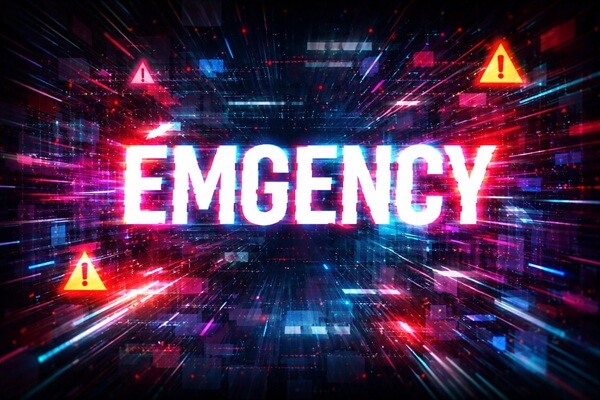
Introduction: Hold Up… Is Ểmgency a Thing Now?
Be honest have you ever seen Ểmgency written somewhere online and stopped scrolling for a second? That tiny pause where your brain goes, “Wait… did they spell emergency wrong, or am I missing something?” Yeah, I’ve been there too.
The first time I noticed Ểmgency, I assumed it was a typo. Then I saw it again. And again. At that point, curiosity kicked in hard. So I started digging reading blogs, checking explanations, and rolling my eyes at the internet a little (okay, a lot). What I found? Ểmgency is way more interesting than it looks.
Let’s talk about why this oddly spelled word exists, why people keep using it, and whether it actually deserves a place in online content.
What Is Ểmgency, Really?
Let’s get this out of the way fast. Ểmgency is not an official English word. You won’t find it sitting next to “emergency” in any respected dictionary. Still, people use it, search it, and write full articles about it. That alone tells us something important.
In almost every case, Ểmgency means “emergency.” No secret definition. No hidden meaning. The difference isn’t about what it means it’s about how it feels and why it appears.
Sometimes the spelling happens by accident. Other times, writers do it on purpose to grab attention. And honestly? It works. You’re here, aren’t you?
How Did Ểmgency Even Show Up Online?
Keyboard Gremlins and Autocorrect Drama
Let’s blame technology first because it deserves it. Mobile keyboards, multilingual layouts, and autocorrect love to cause trouble. One wrong tap, one unexpected accent, and boom Ểmgency appears.
I’ve typed simple words and ended up with something that looked like it belonged in a fantasy novel. So yeah, this happens more often than people admit.
Intentional Misspelling for Attention
Now here’s where it gets spicy. Some writers intentionally use Ểmgency. They want it to look wrong. They want readers to pause. They want curiosity to kick in.
And guess what? That strategy works frighteningly well.
People notice strange spellings faster than perfect ones. Our brains trip over them. We stop scrolling. We read. Mission accomplished.
Ểmgency vs Emergency: Same Urgency, Different Energy
Let’s compare these two like normal humans.
Emergency feels official, serious, and structured.
Ểmgency feels informal, edgy, and internet-native.
Here’s how I personally see it:
-
Emergency → hospitals, safety notices, official alerts
-
Ểmgency → blogs, opinion pieces, SEO content
Both scream urgency, but only one sounds like it’s wearing a hoodie instead of a suit. IMO, that’s exactly why Ểmgency exists.
Why the Internet Keeps Talking About Ểmgency
Curiosity = Clicks (FYI, This Matters)
People see weird words. People Google weird words. Content creators notice the searches. Articles appear. Traffic flows. Welcome to how the internet actually works.
Ểmgency triggers curiosity-based searches, which makes it valuable for SEO-driven content. Not because it’s correct but because it’s confusing. And confusion pulls clicks like nothing else.
“Is This a New Word?” Syndrome
Humans hate uncertainty. When someone sees Ểmgency, questions instantly pop up:
-
Is this slang?
-
Is this intentional?
-
Did English update without telling me?
That mental itch pushes people to search, read, and engage. That’s why the word keeps circulating.
When Using Ểmgency Makes Sense
Let me be clear I’m not saying you should throw Ểmgency everywhere. Context decides everything.
When Ểmgency Works
Use Ểmgency when:
-
You write informal or conversational content
-
You aim for creative or stylistic impact
-
You want to stand out in headlines
-
You focus on SEO and engagement
When Ểmgency Is a Bad Idea
Avoid Ểmgency when:
-
You write medical or safety content
-
You handle legal or official communication
-
You issue emergency alerts or instructions
-
You need zero ambiguity
If people’s safety depends on your message, creativity takes a back seat. Always.
Also read: Awius: The Digital Concept Everyone’s Talking About
The Psychology Behind Ểmgency
Here’s the interesting part. Ểmgency feels emotional rather than authoritative. That subtle difference matters.
It signals:
-
Urgency without bureaucracy
-
Feeling over formality
-
Reaction over protocol
That’s why blogs and magazines lean toward it. It mirrors how people experience urgency, not how institutions manage it. Ever seen a perfectly written panic message? Exactly.
Is Ểmgency a Mistake or a Choice?
Short answer: both.
Some uses come from accidental typing. Others come from intentional branding or stylistic choices. Language evolves because people break rules first and explain later.
Will Ểmgency ever become official English? Probably not. But will it keep showing up online? Absolutely.
Common Myths About Ểmgency
Let’s kill some confusion right now.
-
Ểmgency does NOT mean something different from emergency
-
It is NOT a technical or medical term
-
It is NOT universally accepted
It’s a variation nothing more. Anyone claiming deeper linguistic meaning is overthinking it.
My Honest Opinion on Ểmgency
I’ll be straight with you I don’t hate it. But I don’t fully trust it either.
I like how Ểmgency grabs attention. I like how it sparks curiosity. I like how human and imperfect it feels. But I’d never use it where clarity matters more than clicks.
Language should communicate first and impress second. When it does both, great. When it sacrifices clarity, that’s a problem.
Should You Use Ểmgency in Your Content?
Ask yourself three simple questions:
-
Who’s reading this?
-
What happens if they misunderstand?
-
Am I prioritizing engagement or precision?
If engagement wins and the topic stays casual, Ểmgency can work. If precision wins, stick with “emergency.” No debate needed.
SEO Perspective: Does Ểmgency Actually Help?
Yes but only if you use it smartly.
Ểmgency attracts niche search traffic. People who search it want explanations, not alerts. That makes it perfect for educational or opinion-based content.
Best practice:
-
Use Ểmgency sparingly
-
Pair it naturally with emergency
-
Write for humans first, algorithms second 🙂
Search engines reward clarity now. Weird spellings only help when used intentionally.
The Bigger Picture: Language and Internet Culture
Words like Ểmgency remind me why online language feels alive. People bend it, break it, remix it sometimes accidentally, sometimes on purpose.
Not every word needs dictionary approval to matter. If people use it, question it, and search it, it already exists in culture.
And honestly? That’s kind of cool.
Conclusion: Is Ểmgency Here to Stay?Let’s wrap this up clean.
Ểmgency isn’t an official word but it’s a real online phenomenon. It exists because humans type fast, think creatively, and love curiosity. It thrives in informal content and fails in serious communication.
Use it wisely. Respect clarity. Have fun with language. And next time you see Ểmgency, you won’t wonder if your screen is broken you’ll know exactly why it’s there.