
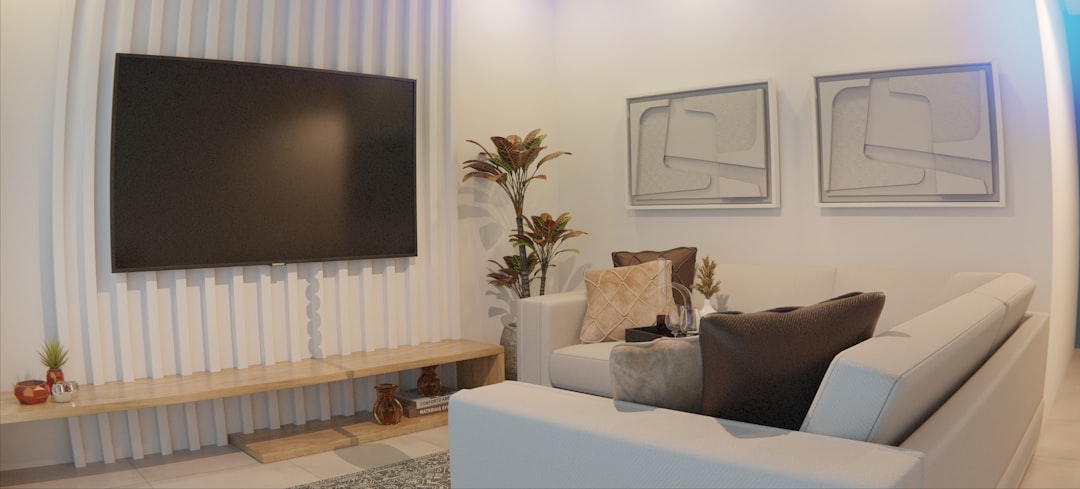
Smart home technology is no longer limited to clunky gadgets and purely functional devices. Today’s innovations blend seamlessly into carefully curated interiors, serving both aesthetic and practical purposes. Homeowners no longer have to choose between convenience and style; the latest smart home devices are thoughtfully designed to complement modern, minimalist, rustic, or even traditional spaces. By integrating technology that enhances lighting, sound, comfort, and security, it is possible to elevate interior design while also improving everyday living.
TLDR: Smart home devices can now enhance both functionality and interior design. From sleek smart thermostats to designer lighting systems and digital art frames, these products combine high-tech performance with aesthetic appeal. Choosing models with thoughtful materials, subtle finishes, and customizable features ensures technology complements home décor. The best smart devices disappear into the design—or become intentional statement pieces.
1. Smart Lighting That Sets the Mood
Lighting plays a pivotal role in interior design, influencing mood, depth, and the overall atmosphere of a room. Smart lighting systems elevate this impact by offering customizable brightness, color temperature, and automation.
Some standout benefits include:
- Adjustable color temperatures to complement natural light throughout the day
- Scene creation for entertaining, relaxing, or working
- Hidden smart bulbs within designer fixtures
- Voice and app control for seamless functionality
Minimalist smart bulbs fit into sculptural lamps, while LED light strips can highlight architectural features such as floating shelves or recessed ceilings. When integrated thoughtfully, smart lighting enhances textures, artwork, and furnishings without drawing attention to the technology itself.
2. Designer Smart Thermostats
The humble thermostat has undergone a sleek transformation. Modern smart thermostats feature metal finishes, mirrored surfaces, and slim silhouettes that feel more like art installations than functional devices.
Instead of being concealed, these devices can become an intentional design detail. Available in finishes such as brushed brass, matte black, and polished stainless steel, they blend with door hardware, wall sconces, and other metallic accents.
Beyond aesthetics, they offer:
- Energy-efficient climate control
- Learning algorithms that adapt to routines
- Remote access via smartphone
The combination of sustainability and design makes them a valuable addition to eco-conscious, modern interiors.
3. Smart Speakers with Elevated Style
Smart speakers have evolved from utilitarian gadgets into décor-friendly pieces. Fabric-wrapped exteriors, neutral tones, and sculptural forms allow these devices to sit comfortably on shelves, consoles, or bedside tables.
Instead of hiding speakers, homeowners can:
- Place them among books and decorative objects
- Choose finishes that complement upholstery or curtains
- Select compact models for discreet placement
Sound quality now matches their refined look, offering immersive audio without bulky sound systems that disrupt clean visual lines.
4. Digital Art Frames
One of the most innovative ways technology enhances interior design is through digital art frames. These devices double as high-resolution displays for rotating artwork and televisions that blend into gallery walls.
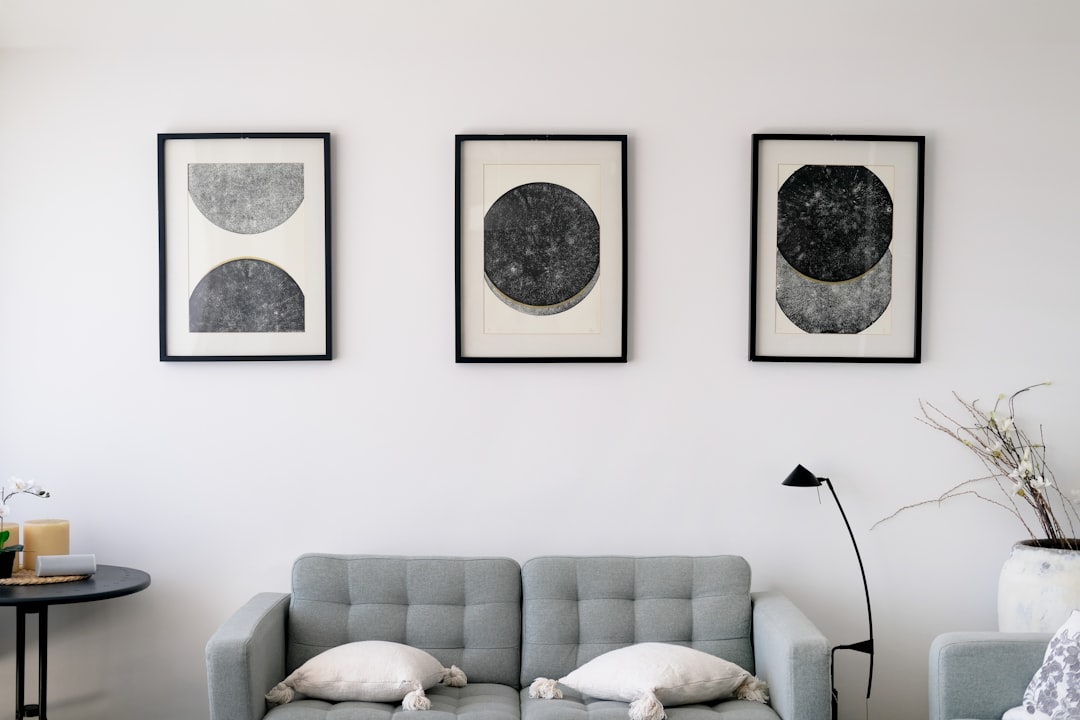
When not in use, digital frames can:
- Display curated artworks
- Show personal photography collections
- Mimic classic canvas textures
With customizable bezels in wood and metal finishes, these frames integrate seamlessly into traditional and modern design schemes alike. This eliminates the visual dominance of a blank black screen and instead contributes to the aesthetic narrative of the room.
5. Smart Blinds and Shades
Window treatments significantly impact the mood and style of a space. Motorized smart blinds offer clean lines, cordless safety, and seamless automation.
They enhance interiors by:
- Maintaining minimalist aesthetics without dangling cords
- Allowing programmed light filtering
- Preserving furniture and flooring from sun damage
Available in various materials—from sheer linens to blackout fabrics—smart shades support the room’s color palette while introducing advanced convenience. Automated scheduling aligns natural light with daily patterns, subtly elevating the entire atmosphere.
6. Smart Mirrors for Modern Spaces
Smart mirrors are particularly popular in bathrooms and dressing areas. Featuring built-in LED lighting, weather displays, and touch controls, they combine innovation with elegance.
Frameless and backlit designs create a floating effect that complements contemporary interiors. Some models offer anti-fog capabilities and integrated speakers, streamlining multiple devices into one refined surface.
These mirrors reinforce the principle of multipurpose design, where style and function coexist without clutter.
7. Elegant Smart Security Devices
Home security devices once stood out awkwardly against carefully planned exteriors. Today’s smart doorbells and cameras are intentionally minimal, often with matte or metallic finishes.
Rather than detracting from curb appeal, they now:
- Feature compact, streamlined shapes
- Offer subtle LED indicators
- Blend with modern entryways
Outdoor security lighting can also double as architectural illumination, enhancing landscaping and façade details while providing peace of mind.
8. Smart Furniture with Hidden Technology
Furniture designers are incorporating technology directly into their creations. From coffee tables with wireless charging pads to nightstands with integrated USB ports, smart furniture discreetly supports modern lifestyles.

Key examples include:
- Wireless charging surfaces embedded beneath wood or stone tops
- Adjustable smart beds with sleep tracking features
- Motorized standing desks with programmable heights
By concealing technology within natural materials and timeless silhouettes, these pieces maintain visual harmony while increasing functionality.
9. Smart Kitchen Appliances with Designer Appeal
The kitchen is often the heart of the home, and smart appliances are increasingly styled with aesthetics in mind. Matte finishes, handleless designs, and integrated displays contribute to a sleek environment.
Examples include:
- Smart refrigerators with hidden touch panels
- Voice-controlled ovens with minimalist interfaces
- App-connected coffee machines with modern contours
By prioritizing clean lines and cohesive color schemes—such as all-white, stainless steel, or bold black—these devices align with contemporary kitchen trends while adding undeniable convenience.
10. Environmental Monitoring Devices
Air quality monitors and smart humidifiers are becoming increasingly sophisticated in design. Rather than appearing clinical, many now resemble sculptural décor pieces.
Compact cylindrical shapes, soft LED indicators, and neutral color palettes allow these devices to sit comfortably in living rooms or bedrooms. As wellness becomes a core component of interior design, visible yet elegant health technology contributes to both comfort and style.
How to Choose Smart Devices That Enhance Interior Design
Selecting the right smart home products requires intentional planning. Homeowners and designers consider both performance and appearance before making a purchase.
Helpful guidelines include:
- Match finishes: Choose metals, woods, and fabrics that echo existing décor.
- Prioritize subtlety: Opt for compact or integrated designs when minimalism is the goal.
- Create focal points intentionally: Allow standout pieces, such as digital art frames, to serve as design features.
- Embrace automation thoughtfully: Layer lighting, window treatments, and climate control for cohesive ambiance.
The key principle is integration rather than addition. The best smart home devices do not feel like afterthoughts; they become natural extensions of the design vision.
The Future of Smart Interior Design
As technology continues to advance, the distinction between electronics and furnishings will likely blur even further. Materials such as textured glass, sustainable composites, and customizable surfaces are redefining how devices look and feel.
Future innovations may include invisible speakers embedded in walls, fully transparent displays, and adaptive lighting systems that respond intuitively to mood and weather conditions. The overarching goal remains consistent: technology that enhances daily living while supporting beautiful, harmonious interiors.
Frequently Asked Questions (FAQ)
-
1. Can smart home devices work in traditional interior styles?
Yes. Many smart devices come in classic finishes such as wood veneers or brushed metals that complement traditional décor. Discreet placement and neutral colors help them blend seamlessly. -
2. Are smart home devices difficult to install without affecting design?
Most modern devices are designed for easy installation and minimal wiring. Wireless and battery-powered options reduce the need for invasive modifications. -
3. Do smart devices increase property value?
Well-integrated smart home features can enhance market appeal, especially energy-efficient systems and security upgrades that also maintain aesthetic standards. -
4. How can technology be hidden in minimalist interiors?
Choosing compact models, embedding devices into furniture, and using smart solutions like motorized blinds help preserve clean lines. -
5. Are smart home devices energy efficient?
Many are designed to optimize resource usage by automating lighting, heating, and cooling schedules, contributing to sustainable living.
With careful selection and thoughtful integration, smart home devices can elevate both comfort and design. Rather than disrupting aesthetic harmony, today’s technology enhances it—proving that innovation and beauty can coexist effortlessly in modern living spaces.