
Search engine optimization in 2026 is no longer driven by guesswork or manual research. It is powered by scalable data pipelines, APIs, automated reporting systems, and AI-assisted analysis. For agencies, SaaS platforms, in-house growth teams, and enterprise marketers, having reliable access to search engine results page (SERP) data, keyword metrics, backlink intelligence, and competitive insights is essential. While DataForSEO remains a well-known name in this space, it is far from the only viable option. Businesses increasingly seek alternatives that provide flexibility, scalability, accuracy, and cost control at scale.
TL;DR: Scalable SEO in 2026 demands API-first platforms that deliver reliable SERP data, backlink intelligence, keyword metrics, and competitor analysis at scale. Several strong alternatives to DataForSEO offer competitive pricing, global coverage, and enterprise-grade infrastructure. The best option depends on your technical needs, reporting requirements, and automation strategy. When choosing a provider, prioritize data accuracy, uptime reliability, and integration flexibility.
Below is a detailed look at the best tools like DataForSEO for scalable SEO data access in 2026 and what differentiates them in an increasingly competitive landscape.
What to Look for in a Scalable SEO Data Provider
Before evaluating specific platforms, it is important to define what “scalable” truly means in modern SEO infrastructure. In 2026, scalability is not just about handling a large number of keywords. It includes:
- API reliability and uptime across global regions
- Flexible pricing models that support usage-based growth
- Accurate, real-time or near-real-time SERP data
- Comprehensive keyword and backlink databases
- Support for local, mobile, desktop, and international tracking
- Structured, clean data outputs suitable for BI tools and AI pipelines
In short, the best tools function not merely as interfaces but as foundational data infrastructure.
1. SerpApi
Best for real-time SERP scraping and developer-centric implementations
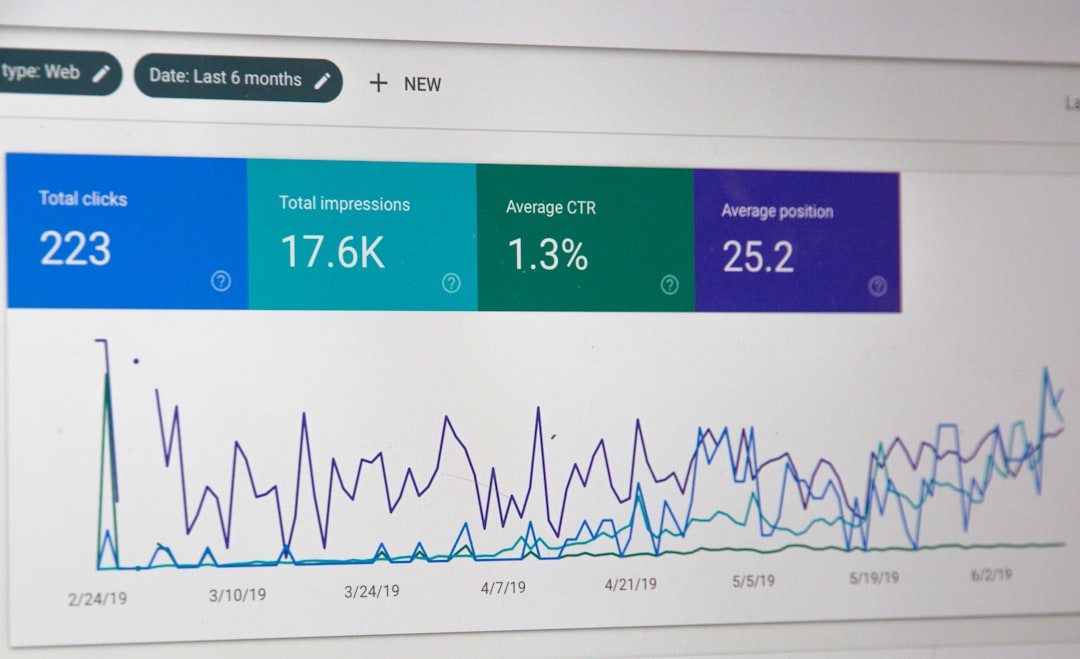
SerpApi has become one of the strongest alternatives for teams that prioritize real-time search engine data. It delivers structured Google, Bing, YouTube, Amazon, and other SERP data via API with high reliability.
Key strengths:
- Real-time SERP results with geographic precision
- Strong developer documentation and SDK support
- Support for paid ads data and shopping results
- High uptime guarantees
SerpApi is especially valuable for SaaS companies building rank tracking platforms or competitive monitoring dashboards. Its structured JSON responses simplify integration, making it ideal for fast-moving development teams.
Limitations: While powerful for SERP data, it does not provide as broad a backlink index as some competitors.
2. Zenserp
Best for affordable SERP monitoring at scale
Zenserp is designed to offer reliable search data with a focus on ease of integration and cost efficiency. For smaller agencies or startups that need predictable pricing, it represents an attractive option.
Key strengths:
- Scalable pay-as-you-go pricing
- Global localization support
- Clean API architecture
- Fast implementation
Zenserp is particularly effective for tracking thousands to hundreds of thousands of keywords daily without complex infrastructure.
Limitations: It may not offer the breadth of advanced analytics layers that enterprise platforms provide.
3. Bright Data (Search Data APIs)
Best for enterprise-grade web and search data extraction
Bright Data has evolved into a serious contender for scalable SEO operations. Its Search Data APIs offer highly extensive coverage combined with powerful web scraping infrastructure.
Key strengths:
- Massive global proxy network
- Customizable scraping solutions
- High request volume handling
- Advanced compliance and data governance features
This solution is best suited for large enterprises, marketplaces, and competitive intelligence platforms that need resilient infrastructure capable of handling millions of requests.
Limitations: It requires more technical expertise and can be costly for smaller teams.
4. Serpstack
Best for scalable keyword tracking across multiple search engines
Serpstack provides structured SERP data with simple integration and predictable pricing. It is particularly useful for agencies managing clients across multiple markets and languages.
Key strengths:
- Support for Google, Bing, Yahoo, and more
- Accurate geo-targeted results
- Simple REST API configuration
- High-volume bulk request support
Serpstack strikes a balance between affordability and robustness, making it suitable for mid-sized SEO operations.
5. SEMrush API
Best for full-suite SEO intelligence programmatic access
While commonly known as an SEO platform, SEMrush also provides API access for keyword data, traffic analytics, backlinks, and domain comparisons. For businesses seeking comprehensive datasets in one ecosystem, this is a compelling option.
Key strengths:
- Extensive keyword and domain database
- Rich backlink analytics
- Competitive gap analysis
- Historical trend data
SEMrush’s API makes sense for enterprises that already rely heavily on its ecosystem and want to automate reporting or integrate insights into internal dashboards.
Limitations: API access can be expensive at scale.
6. Ahrefs API
Best for backlink-heavy data strategies
Ahrefs remains one of the largest backlink data providers globally. Its API access, while more limited than its UI offerings, still supports powerful integrations for link analysis and competitive research.
Key strengths:
- Large, frequently updated backlink index
- Domain authority metrics
- Content gap insights
- Strong data accuracy reputation
For link-building platforms and authority monitoring systems, Ahrefs offers credibility and depth.
7. Google Search Console + BigQuery Integration
Best for first-party performance data scaling
Although not a direct competitor in the scraping or third-party data space, Google Search Console combined with BigQuery exports has become a cornerstone for scalable SEO analytics in 2026.
Why it matters:
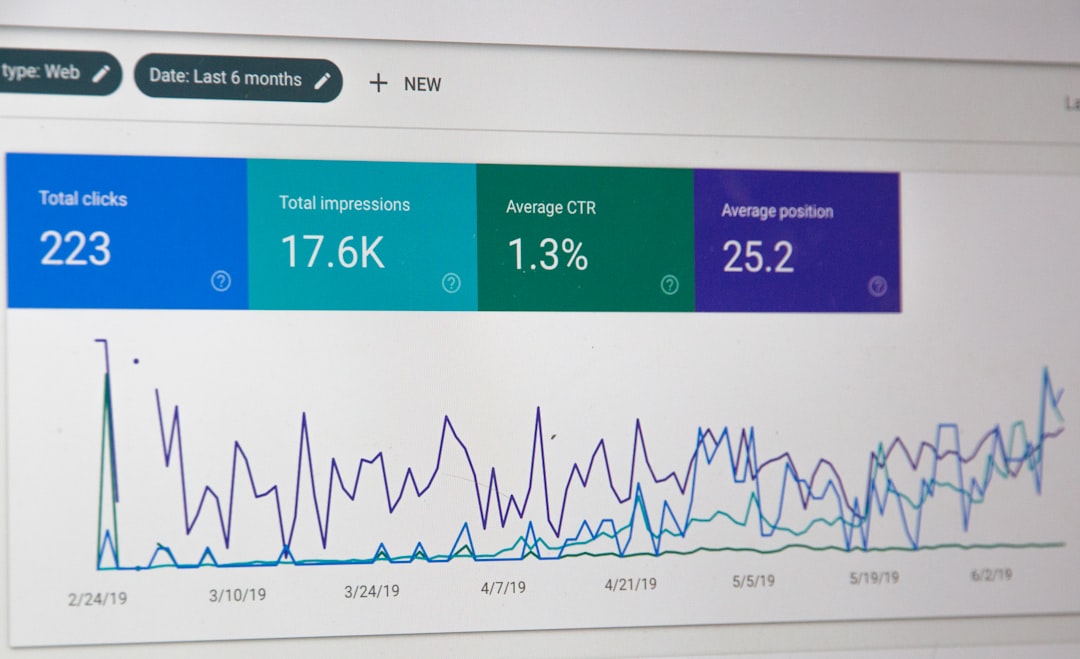
- Direct first-party search query data
- Impression and click tracking
- Full dataset exports via cloud integration
- AI-ready structured reporting
This solution is not designed for competitor tracking but is essential for internal performance optimization at scale.
Choosing the Right Tool in 2026
The ideal alternative to DataForSEO depends on your operational model.
Consider these core questions:
- Do you need primarily SERP extraction or full competitive intelligence?
- How many daily requests will your system generate?
- Do you need historical trend data?
- Are you building a SaaS product or internal reporting tool?
- Is backlink tracking mission-critical?
For developer-first applications, SerpApi and Zenserp offer simplicity and speed. For enterprise infrastructure, Bright Data delivers robust architecture. For all-in-one competitive analysis, SEMrush API and Ahrefs API remain powerful options.
Scalability Beyond Data Volume
Scalability in 2026 extends beyond volume. It includes:
- Data normalization for AI workflows
- Automated anomaly detection
- Predictive ranking models
- Cross-platform integration with BI tools
The best tools integrate smoothly with cloud infrastructure like AWS, Google Cloud, and Azure. They allow teams to route SEO data directly into machine learning pipelines and executive dashboards without manual processing.
Reliability and consistency are increasingly decisive factors. Inaccurate or delayed SERP data can distort forecasting models and mislead strategic investments.
Final Thoughts
The SEO landscape in 2026 demands more than dashboards and surface-level metrics. It requires resilient, scalable data foundations that support automation, AI analysis, and real-time decision-making. While DataForSEO remains relevant, numerous alternatives now offer equally powerful — and sometimes more specialized — capabilities.
Organizations serious about sustainable search growth should evaluate tools based on long-term infrastructure compatibility rather than short-term convenience. API transparency, performance guarantees, and data depth matter more than brand recognition alone.
By choosing the right scalable SEO data provider, companies can build durable competitive advantages grounded in accurate, actionable intelligence. In an environment where search visibility directly influences revenue, the quality of your data pipeline is no longer optional — it is strategic infrastructure.