
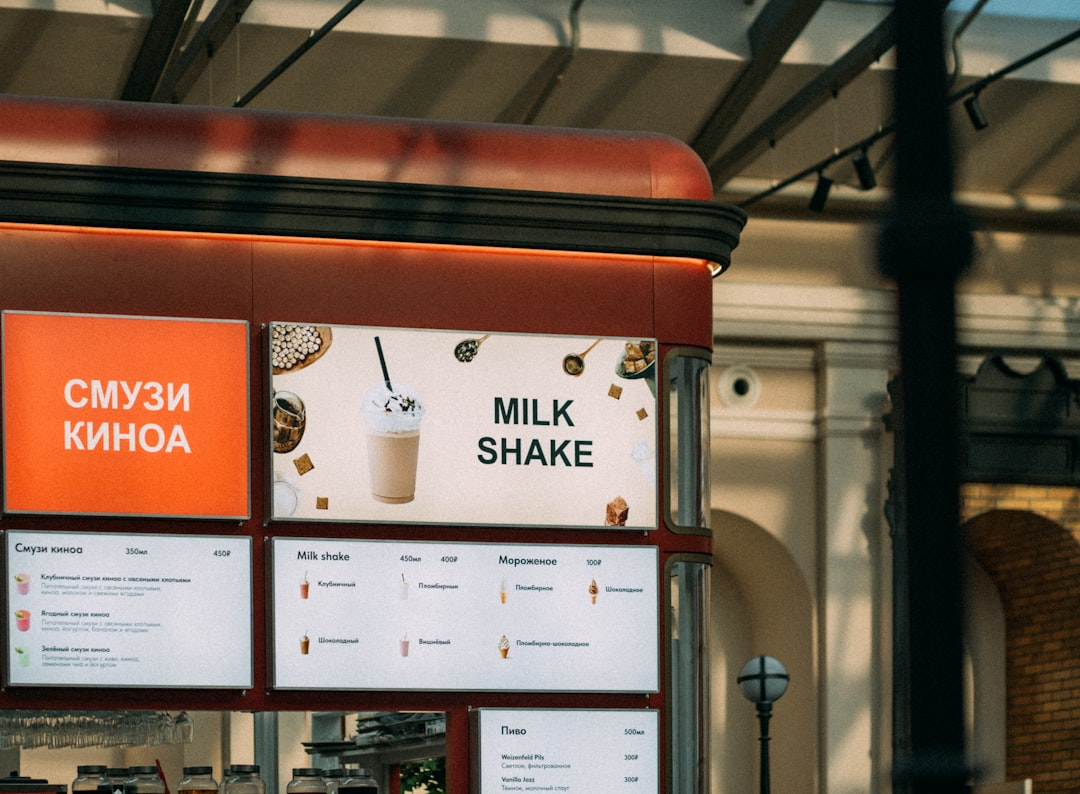
In today’s fast-moving food service industry, the ability to update menus instantly is no longer a luxury—it’s a necessity. Whether you’re managing a quick-service restaurant, a food truck, or a multi-location franchise, digital menu boards enable real-time updates, dynamic promotions, and consistent branding across all screens. While ScreenCloud is a well-known name in digital signage, several powerful alternatives can help restaurants streamline menu updates, reduce printing costs, and enhance the customer experience.
TLDR: Digital menu board apps allow restaurants to update menus instantly across one or multiple locations. Several strong alternatives to ScreenCloud offer competitive pricing, easy integrations, customizable templates, and remote management features. Top options include Yodeck, NoviSign, Rise Vision, OptiSigns, and Enplug. Choosing the right platform depends on your restaurant’s size, budget, and desired features.
Why Digital Menu Boards Matter More Than Ever
Before diving into the tools themselves, it’s important to understand why digital menu boards have become essential. Rising ingredient costs, supply chain disruptions, seasonal offers, and limited-time items all require quick updates. Traditional printed menus simply can’t keep up.
With digital signage software, restaurant owners can:
- Update prices instantly across all locations
- Promote limited-time offers in real time
- Schedule menu changes for different times of day
- Highlight high-margin items dynamically
- Maintain brand consistency across multiple screens
Now, let’s explore five powerful digital menu board apps that rival ScreenCloud and help restaurants stay agile.
1. Yodeck
Best For: Budget-conscious restaurants that want powerful features without complex setups.
Yodeck is a popular ScreenCloud alternative known for its user-friendly interface and cost-effective pricing. It operates through plug-and-play hardware (Raspberry Pi-based) and offers a cloud-based content management system.
Key Features:
- Drag-and-drop content editor
- Pre-designed restaurant menu templates
- Real-time remote updates
- Dayparting scheduling (breakfast, lunch, dinner)
- Unlimited media storage on most plans
Restaurants especially appreciate Yodeck’s dayparting feature, allowing automatic switching between breakfast and dinner menus without manual intervention. For franchises, centralized control ensures each location remains compliant with brand standards.
2. NoviSign
Best For: Restaurants that need advanced customization and multi-screen layouts.
NoviSign offers a flexible digital signage solution suitable for independent restaurants and chains alike. Its intuitive design studio makes it easy to build visually engaging digital menu boards.
Key Features:
- Custom screen zones for menus, videos, and promotions
- POS integration capabilities
- Touchscreen support
- Cloud-based management
- Robust template library
One standout feature is its dynamic data integration. Restaurants can connect POS systems to automatically update prices or item availability—reducing human error and saving time.
For restaurants that rely on visually rich menu presentations, NoviSign provides flexibility that goes beyond basic static slides.
3. Rise Vision
Best For: Restaurants seeking simplicity and scalable growth.
Rise Vision is known for its straightforward platform and scalable pricing. While often associated with educational institutions, it has become a strong alternative for restaurant digital signage.
Key Features:
- Web-based content editor
- Menu scheduling by time and day
- Shared content across multiple locations
- Custom branding options
- Extensive template marketplace
Rise Vision works particularly well for growing restaurant groups that need to manage multiple screens across different locations without overcomplicating the workflow.
Its clean interface makes it easy for managers—not just tech teams—to handle daily menu updates.
4. OptiSigns
Best For: Restaurants wanting strong integrations and affordability.
OptiSigns has rapidly gained popularity in the hospitality industry due to its extensive integrations and device compatibility. It supports Amazon Fire TV, Android, Windows, and more—making it highly adaptable to different restaurant setups.
Key Features:
- Supports 100+ app integrations
- Real-time content updates
- Social media and review feeds integration
- Touchscreen and kiosk compatibility
- Advanced playlist scheduling
For restaurants that want to combine menus with social proof—such as live Instagram feeds or customer reviews—OptiSigns offers an appealing advantage.
Additionally, its competitive pricing makes it attractive for small-to-medium businesses seeking enterprise-level capabilities.
5. Enplug
Best For: Multi-location franchises needing enterprise-level control.
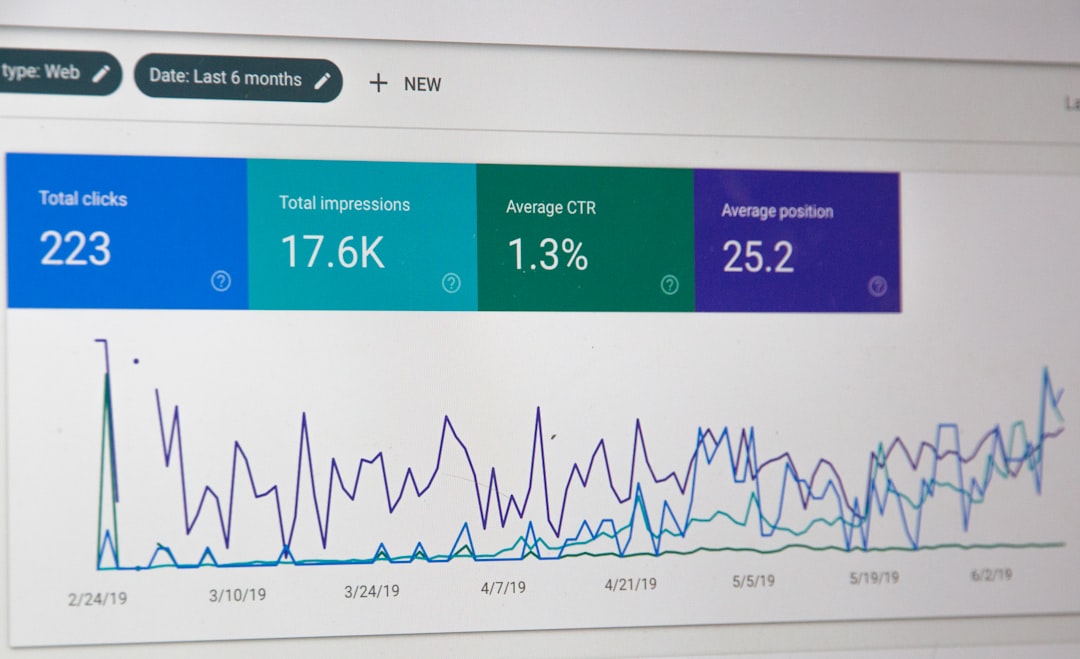
Enplug delivers a more enterprise-focused approach to digital signage. With advanced analytics and centralized content management, it’s ideal for large restaurant brands.
Key Features:
- Enterprise-grade security
- Multi-location content control
- Marketing analytics integration
- Robust scheduling tools
- Real-time monitoring
One of Enplug’s core strengths is its ability to manage content governance. Corporate teams can control branding while still allowing individual stores limited customization—striking a balance between consistency and local flexibility.
Side-by-Side Comparison Chart
| Platform | Best For | Ease of Use | Multi-Location Support | POS Integration | Pricing Level |
|---|---|---|---|---|---|
| Yodeck | Budget-friendly restaurants | Very Easy | Yes | Limited | Low to Mid |
| NoviSign | Custom visual displays | Moderate | Yes | Yes | Mid |
| Rise Vision | Growing restaurant groups | Easy | Yes | Limited | Mid |
| OptiSigns | Integration-heavy setups | Easy | Yes | Yes | Low to Mid |
| Enplug | Enterprise franchises | Moderate | Advanced | Yes | Higher |
What to Look for in a Digital Menu Board App
Choosing the right alternative to ScreenCloud depends on your restaurant’s operational needs. Consider the following factors:
1. Real-Time Editing Capabilities
The platform should allow instant price updates and content changes without technical complexity.
2. Scheduling and Dayparting
Automated scheduling reduces labor and ensures customers see the right menu at the right time.
3. Hardware Compatibility
Check whether the app works with your current screens, smart TVs, or media players.
4. Integration with POS Systems
Automatic synchronization prevents manual errors and improves operational efficiency.
5. Scalability
If expansion is on the horizon, choose a system that grows with your business.
The Competitive Advantage of Instant Updates
Digital menu boards are more than just modern displays—they’re conversion tools. Restaurants leveraging dynamic pricing and timely promotions often see measurable business benefits:
- Increased average order value through featured items
- Faster customer decision-making
- Reduced printing and redesign costs
- Better response to supply shortages
- Improved brand perception
In highly competitive markets, the ability to adapt instantly can significantly improve profitability.
Final Thoughts
ScreenCloud may be a recognized player in digital signage, but it’s far from the only solution for restaurants looking to update menus instantly. From budget-friendly options like Yodeck to enterprise-ready platforms like Enplug, today’s market offers powerful tools for every size and style of restaurant.
The right digital menu board app doesn’t just display food items—it enhances operational efficiency, strengthens brand presentation, and ultimately improves the customer experience. By investing in a solution that allows seamless updates, smart scheduling, and reliable integrations, restaurants can stay agile in a constantly changing industry.
Choosing carefully now can save countless hours later—and ensure your menu is always as fresh as the food you serve.