

Business growth in 2026 depends on how well organizations combine automation, collaboration, data, marketing, and financial control. As competition becomes faster and more digital, companies need tools that reduce manual work, improve decision-making, and help teams execute consistently. The best productivity platforms do not simply save time; they help businesses scale operations without adding unnecessary complexity.
TLDR: The most valuable business tools in 2026 are those that help teams automate repetitive work, manage customers, collaborate efficiently, and make decisions with better data. Platforms such as ChatGPT Enterprise, HubSpot, Notion, Asana, Slack, Power BI, Zapier, and QuickBooks Online support growth across different departments. Businesses that choose integrated, easy-to-adopt tools are more likely to improve productivity and scale sustainably.
1. ChatGPT Enterprise: AI Assistance for Smarter Workflows
ChatGPT Enterprise has become a leading productivity tool for companies that want to use artificial intelligence responsibly and at scale. It helps teams draft content, summarize documents, analyze information, brainstorm strategies, and support internal knowledge management.
For business growth, its value lies in how it reduces the time spent on repetitive intellectual tasks. Marketing teams can create campaign outlines, sales teams can prepare outreach messages, and operations teams can document processes more quickly. In 2026, companies increasingly use AI assistants not as replacements for employees, but as productivity partners that help people work faster and think more clearly.

2. HubSpot: Customer Relationship Management and Marketing Growth
HubSpot remains one of the strongest tools for businesses focused on customer acquisition, sales management, and marketing automation. Its CRM helps organizations track leads, manage pipelines, automate follow-ups, and understand customer interactions in one place.
Small and mid-sized businesses benefit from HubSpot because it combines multiple growth functions, including email marketing, landing pages, lead scoring, sales reporting, and customer service tools. Instead of switching between disconnected platforms, teams can manage the customer journey from first contact to long-term retention.
In 2026, personalization is a major factor in business growth. HubSpot allows companies to segment audiences and deliver more relevant communication, which can improve conversion rates and customer satisfaction.
3. Notion: Centralized Knowledge and Project Documentation
Notion is a flexible workspace for documentation, planning, databases, wikis, and lightweight project management. It is especially useful for companies that need a single source of truth for procedures, meeting notes, content calendars, onboarding materials, and strategy documents.
As businesses grow, information often becomes scattered across emails, chats, and individual files. Notion helps reduce that problem by organizing knowledge into structured pages and databases. Teams can create dashboards for departments, maintain standard operating procedures, and track objectives in a visual format.
Its flexibility makes it ideal for startups, creative teams, agencies, and remote-first companies. When used well, Notion improves productivity by making important information easier to find and update.
4. Asana: Project Management for Execution and Accountability
Asana is designed to help teams plan, assign, track, and complete work. It supports task lists, timelines, goals, project boards, workload views, and automation. For businesses trying to grow, strong execution is just as important as strategy, and Asana helps turn plans into measurable progress.
Managers can use Asana to clarify who is responsible for each task, set deadlines, and monitor project status. This reduces confusion and prevents work from being lost in email threads or informal conversations. In 2026, with hybrid and distributed teams still common, structured project management is essential for maintaining alignment.
Asana is particularly valuable for marketing launches, product development, client projects, and internal operations.
5. Slack: Real-Time Collaboration and Team Communication
Slack continues to be a key communication tool for businesses that need fast collaboration. It organizes conversations into channels, supports direct messaging, integrates with many business apps, and increasingly includes AI-powered search and summaries.
Its main productivity benefit is reducing the friction of communication. Teams can create channels for departments, projects, clients, or company announcements. This helps employees find relevant discussions without searching through long email chains.
However, businesses gain the most value from Slack when they use it intentionally. Clear channel rules, notification guidelines, and integration standards prevent communication overload. When properly managed, Slack becomes a collaborative hub rather than a distraction.

6. Microsoft Power BI: Data Analytics for Better Decisions
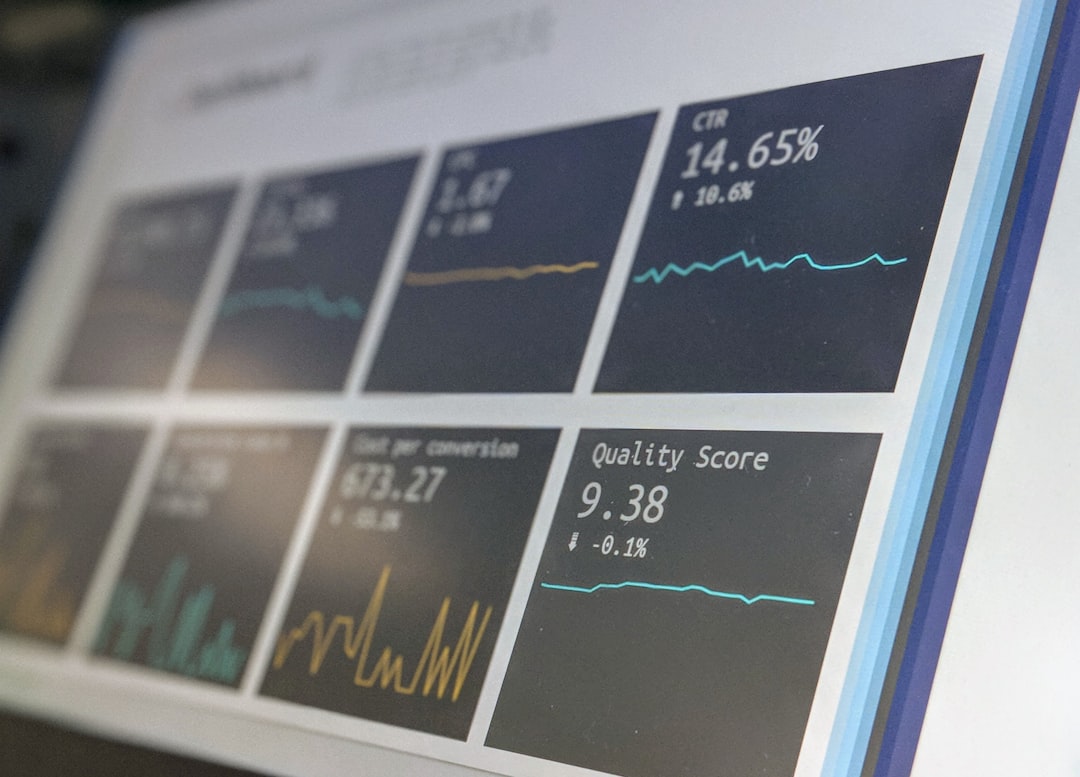
Microsoft Power BI helps businesses convert raw data into visual dashboards and actionable insights. It connects with spreadsheets, databases, cloud services, sales platforms, and many other data sources. Leaders can use it to monitor revenue, customer behavior, operational performance, and financial trends.
In 2026, data-driven decision-making is no longer limited to large enterprises. Growing businesses also need accurate reporting to identify what is working and where resources should be invested. Power BI gives teams the ability to create interactive dashboards that reveal patterns more clearly than static reports.
For productivity, Power BI reduces the need for manual reporting. Instead of repeatedly building spreadsheets, teams can automate dashboards and review updated metrics in real time.
7. Zapier: Automation Across Business Apps
Zapier is one of the most practical tools for connecting different applications and automating repetitive workflows. It allows businesses to create automated actions between apps without requiring advanced coding knowledge.
For example, a company can automatically add website leads to a CRM, send follow-up emails, create project tasks from form submissions, or update spreadsheets when payments are received. These small automations can save many hours each month and reduce human error.
Zapier is especially useful for businesses using several specialized tools. Instead of replacing every system, companies can connect them and create smoother workflows. This makes it a strong growth tool for lean teams that want to increase output without hiring too quickly.
8. QuickBooks Online: Financial Management and Cash Flow Control
QuickBooks Online remains a popular accounting and financial management platform for small and growing businesses. It helps organizations track income, expenses, invoices, taxes, payroll, and financial reports.
Business growth is difficult without financial visibility. QuickBooks gives owners and finance teams a clearer view of cash flow, profitability, outstanding invoices, and spending patterns. This helps companies make better decisions about hiring, purchasing, pricing, and expansion.
Its cloud-based structure also supports collaboration with accountants and bookkeepers. In 2026, when many businesses operate with remote finance support, this accessibility remains a major advantage.
How Businesses Should Choose the Right Tools
The best tools for growth are not always the most expensive or feature-heavy. A business should evaluate platforms based on ease of use, integration options, scalability, security, and measurable value. A tool that employees do not adopt will not improve productivity, no matter how powerful it appears.
Companies should also avoid unnecessary software overlap. If several tools perform the same function, teams may become confused and data may become fragmented. A better approach is to build a focused technology stack where each platform has a clear purpose.
- For automation: Zapier can reduce repetitive manual tasks.
- For customer growth: HubSpot supports sales and marketing alignment.
- For internal organization: Notion and Asana improve clarity and execution.
- For communication: Slack helps teams collaborate quickly.
- For insights: Power BI turns data into decisions.
- For finance: QuickBooks Online strengthens financial control.
- For AI productivity: ChatGPT Enterprise supports faster knowledge work.
Final Thoughts
In 2026, business productivity is shaped by intelligent systems that simplify work and improve visibility. The strongest companies are likely to be those that combine human expertise with well-selected digital tools. By choosing platforms that support automation, collaboration, customer management, analytics, and finance, businesses can create a stronger foundation for sustainable growth.
FAQ
What is the best overall tool for business growth in 2026?
There is no single best tool for every company, but HubSpot is often a strong choice for growth because it supports CRM, marketing, sales, and customer service in one platform.
Which tool is best for improving team productivity?
Asana is highly effective for task management and accountability, while Slack improves real-time communication. Many businesses use both together.
Why are AI tools important for businesses in 2026?
AI tools such as ChatGPT Enterprise help teams work faster by assisting with writing, research, summarization, planning, and analysis.
Which tool is best for automation?
Zapier is one of the best options for automation because it connects many business applications and reduces repetitive manual work.
How can a business avoid using too many tools?
A company should define its main needs first, choose tools with strong integrations, remove duplicate platforms, and regularly review whether each tool is delivering measurable value.