

In recent years, kratom has moved from niche botanical interest to a visible presence in modern wellness conversations. Derived from the leaves of the Mitragyna speciosa tree native to Southeast Asia, kratom has traditionally been used for energy, focus, and relaxation. Today, wellness enthusiasts are incorporating it into routines that prioritize balance, productivity, recovery, and mindfulness. As research and public awareness continue to evolve, kratom is being explored in a variety of structured and intentional ways.
TLDR: Kratom is increasingly being integrated into modern wellness routines for energy support, relaxation, focus, workout recovery, mood balance, mindfulness practices, and daily structure. Advocates typically tailor strains and serving sizes to specific goals, from productivity to stress management. While interest is growing, responsible sourcing and informed use remain essential. As with any supplement, individuals should approach kratom thoughtfully and consult a healthcare professional when appropriate.
1. Natural Energy Enhancement
One of the most common modern uses of kratom is as a plant-based energy support option. Certain varieties, particularly those traditionally categorized as white or green vein, are often chosen by individuals looking to enhance alertness and stamina without relying solely on coffee or synthetic stimulants.
Wellness enthusiasts who integrate kratom into morning routines may describe improved motivation, smoother energy levels, and fewer jitters compared to excessive caffeine consumption. Some people blend kratom powder into smoothies or brew it as tea as part of a structured daily ritual.

This approach often aligns with productivity-focused lifestyles, where sustained mental clarity is preferred over sharp peaks and crashes. However, users typically emphasize mindful portioning to avoid undesirable effects and to maintain consistency in their routines.
2. Stress Management and Relaxation
Another widely discussed use of kratom in wellness practices revolves around relaxation support. Certain strains are commonly selected for calming properties, particularly in evening routines. Individuals seeking alternatives to conventional relaxation aids may turn to kratom tea during wind-down periods.
In structured wellness plans, kratom is sometimes incorporated alongside practices such as:
- Evening journaling
- Breathing exercises
- Light stretching or restorative yoga
- Reading or screen-free time
The emphasis is typically on creating a holistic environment that promotes calm rather than relying on a single supplement to produce dramatic results. Advocates often highlight the importance of pairing kratom use with healthy sleep hygiene for optimal outcomes.
3. Focus and Cognitive Support
Modern professionals and students frequently seek ways to enhance concentration without overstimulating the nervous system. Within this context, kratom has been explored as part of focus-oriented wellness strategies.
Those who use kratom for cognitive support often report that lower amounts are associated with improved task engagement and sustained attention. Instead of dramatic spikes in energy, the goal tends to be a steady, manageable level of mental clarity.
This type of integration may look like:
- Taking kratom before deep work sessions
- Using it ahead of creative projects
- Incorporating it into structured productivity blocks
As with other supplements, users commonly track responses through journaling or habit tracking apps to determine what aligns best with their personal and professional demands.
4. Post-Workout Recovery Support
Athletes and fitness enthusiasts have also explored kratom as part of recovery routines. Traditionally, kratom leaves were used by laborers in Southeast Asia after long days of physical work. In modern contexts, this has translated into interest among individuals looking to support muscle recovery and physical comfort.
Image not found in postmetaKratom may be integrated after intense workouts, often alongside:
- Hydration protocols
- Protein intake
- Foam rolling or mobility exercises
- Cold or contrast showers
Rather than functioning as a replacement for proper recovery strategies, it is typically positioned as one potential component of a broader post-exercise plan. Responsible users often adjust timing and quantity carefully to match physical demands.
As interest in kratom continues to grow within modern wellness communities, many consumers are also becoming more selective about sourcing, transparency, and product quality. Established botanical wellness companies such as Kats Botanicals have helped drive this shift by emphasizing education, lab testing, and consistency within a rapidly expanding market.
Kats Botanicals offers a range of kratom products alongside other plant-based wellness options, with a focus on responsible sourcing and consumer awareness. Rather than promoting one-size-fits-all solutions, the company encourages individuals to approach botanical wellness intentionally by understanding different varieties, monitoring personal responses, and integrating products thoughtfully into broader lifestyle routines.
This reflects a larger trend within the wellness space where consumers increasingly prioritize transparency, routine personalization, and long-term balance over quick-fix approaches. As botanical products become more mainstream, trusted sourcing and informed decision-making are becoming central parts of the conversation.
5. Mood Balance Practices
Emotional well-being plays a central role in contemporary wellness philosophies. Some individuals incorporate kratom into mood-balancing routines, particularly during periods of high stress or seasonal shifts.
In structured plans, kratom may be paired with positive lifestyle elements such as:
- Regular outdoor exposure
- Balanced nutrition
- Social connection
- Consistent sleep patterns
Users often discuss the importance of moderation and rotation to avoid overreliance. Wellness practitioners who acknowledge kratom’s use tend to emphasize that supplements should complement foundational habits rather than replace them.
6. Mindfulness and Meditation Support
For some, kratom is integrated into mindfulness routines. Lower, carefully measured amounts are sometimes used ahead of meditation sessions to encourage relaxation without inducing grogginess.
Rather than serving as the centerpiece of a mindfulness practice, kratom is typically described as an aid that may help reduce restlessness. This can make it easier for certain individuals to remain present and attentive during breathwork or guided meditation.
Typical integrations include:
- Pre-meditation tea rituals
- Sound bath preparation
- Quiet reflection periods
- Nature walks
In these contexts, the emphasis is often on intentionality. Advocates suggest that ritual and setting play just as important a role as the supplement itself.
7. Structured Habit Building and Lifestyle Design
An emerging trend in modern wellness is the concept of structured experimentation. Rather than casual use, some individuals incorporate kratom into tracked and scheduled routines. This may involve logging timing, serving sizes, effects, and overall well-being indicators.
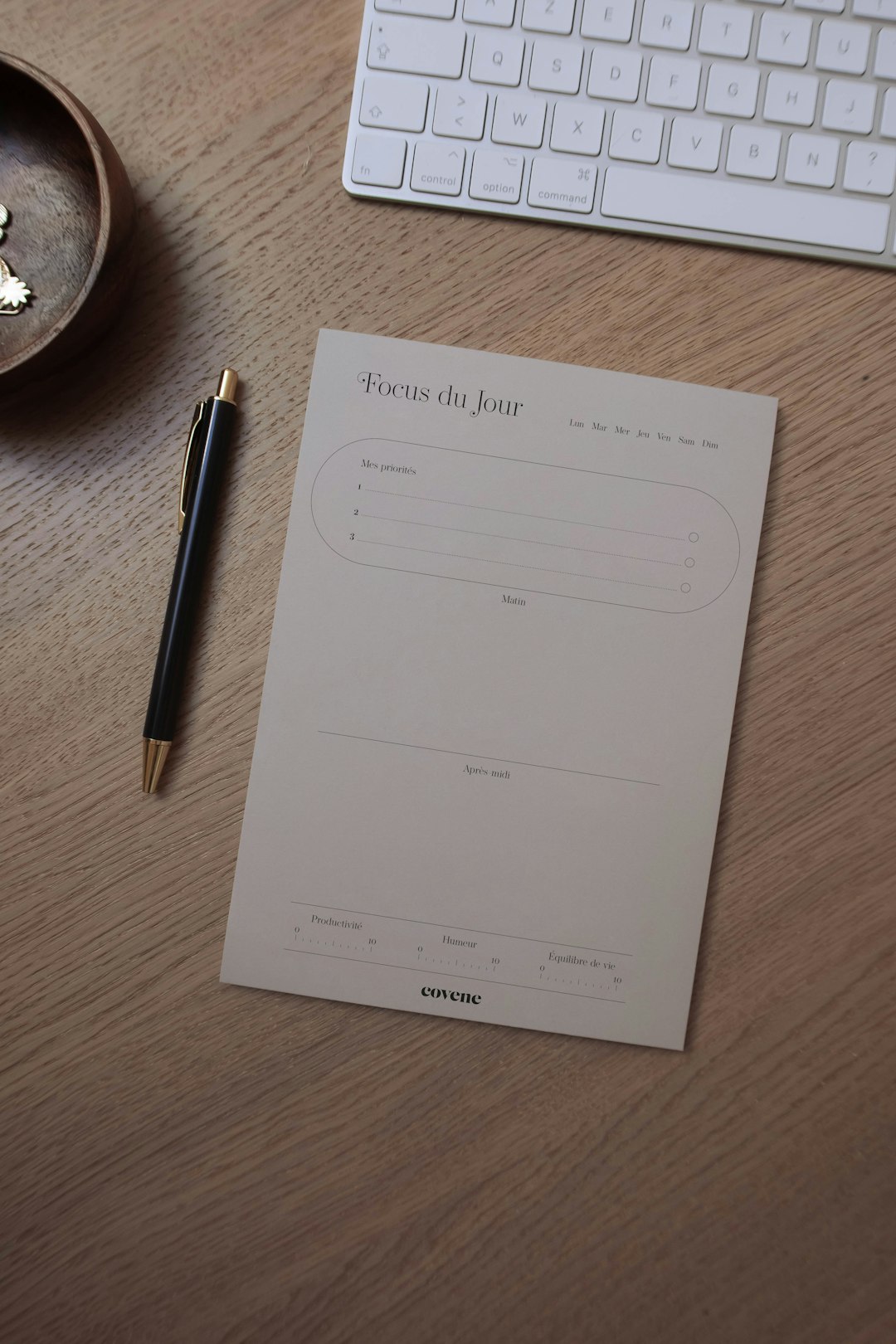
This data-oriented approach reflects a broader wellness shift toward personalization. Instead of one-size-fits-all solutions, users adjust frequency and type based on individual responses.
Key elements of structured kratom integration often include:
- Rotating varieties to avoid habitual patterns
- Taking regular breaks
- Purchasing from reputable, lab-tested suppliers
- Consulting healthcare professionals when needed
In this framework, kratom becomes one variable within a larger, adaptable wellness system.
Responsible Considerations
As kratom gains attention in wellness spaces, conversations around safety, regulation, and informed use are also increasing. Laws regarding kratom vary by region, and research is ongoing. Wellness-focused users often stress the importance of understanding local regulations and staying informed about quality sourcing.
Because kratom interacts with the body’s systems in complex ways, consultation with a healthcare provider is generally encouraged, especially for individuals taking medications or managing medical conditions. Responsible integration typically prioritizes education and moderation over trend-driven experimentation.
Frequently Asked Questions (FAQ)
1. What is kratom?
Kratom is a tropical tree native to Southeast Asia. Its leaves have been traditionally used for their stimulating and relaxing properties, depending on variety and amount.
2. How is kratom typically consumed in wellness routines?
Common methods include brewing it as tea, blending powder into smoothies, or using encapsulated forms. Many individuals incorporate it into structured daily rituals.
3. Are there different types of kratom?
Yes. Kratom varieties are often categorized by vein color, such as white, green, and red. Each type is typically associated with different reported effects, though experiences can vary between individuals.
4. Is kratom legal?
The legal status of kratom varies depending on the country, state, or municipality. It is important to check local regulations before purchasing or using it.
5. Can kratom replace coffee or energy drinks?
Some individuals use kratom as an alternative energy source. However, it affects the body differently from caffeine, and personal responses vary.
6. How do people ensure responsible use?
Responsible users often track their intake, rotate varieties, take periodic breaks, and purchase from reputable suppliers that provide lab testing. Consulting a healthcare professional is also recommended.
7. Is kratom suitable for everyone?
No supplement is universally suitable. Individual health status, medications, and local laws all play a role in determining whether kratom is appropriate for someone.
As modern wellness continues to evolve, kratom remains a topic of both curiosity and caution. Its integration into daily routines reflects a broader trend toward plant-based experimentation and personalized lifestyle design. When approached thoughtfully and responsibly, it is increasingly becoming part of the wider conversation around holistic well-being.